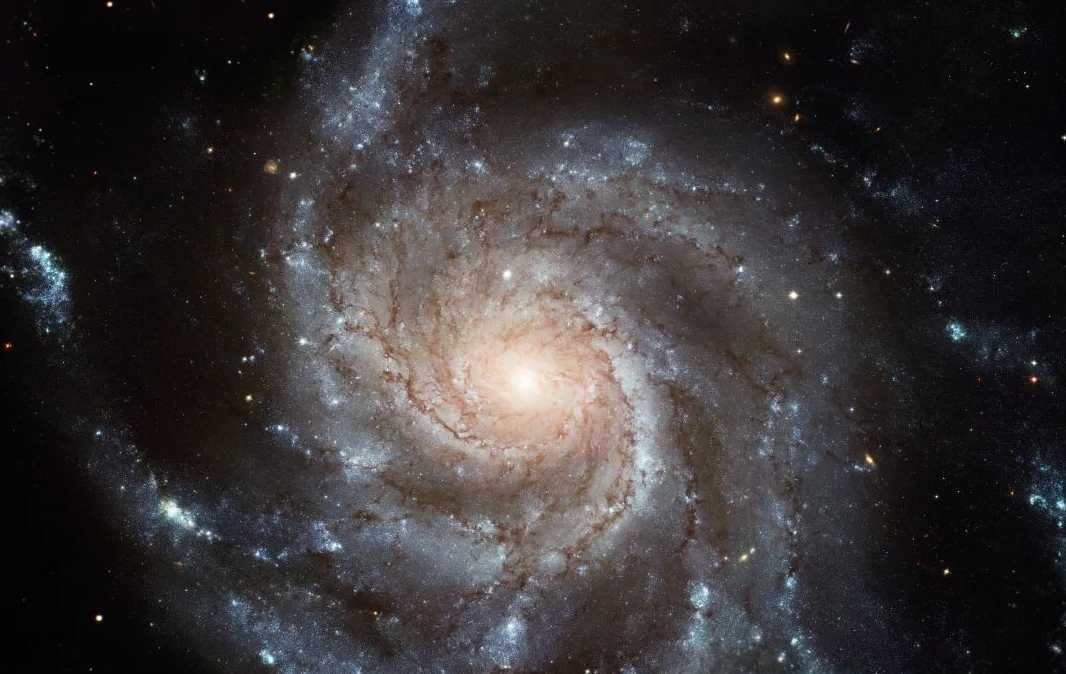
The Pinwheel Galaxy M101: A Cosmic Masterpiece Across Two Centuries
One of the last entries in Charles Messier’s catalog, the Pinwheel Galaxy (M101) stands as its most dazzling wonder. Spanning 170,000 light-years—nearly twice the Milky Way’s size—it first revealed its spiral secrets to 19th-century astronomer Lord Rosse through the Parsonstown Leviathan, the era’s largest telescope.
1 minute read
Earth: The Blue Planet's Complexity and Fragility
Earth, the third planet from the Sun, is a dynamic celestial body uniquely adapted to sustain life, with its intricate ecosystems, diverse geography, and breathable atmosphere. Spanning approximately 12,742 kilometers in diameter, this "blue planet" is characterized by vast oceans that cover 71% of its surface, interspersed with continents, islands, and dynamic geological features that shape its ever-changing landscape.
1 minute read

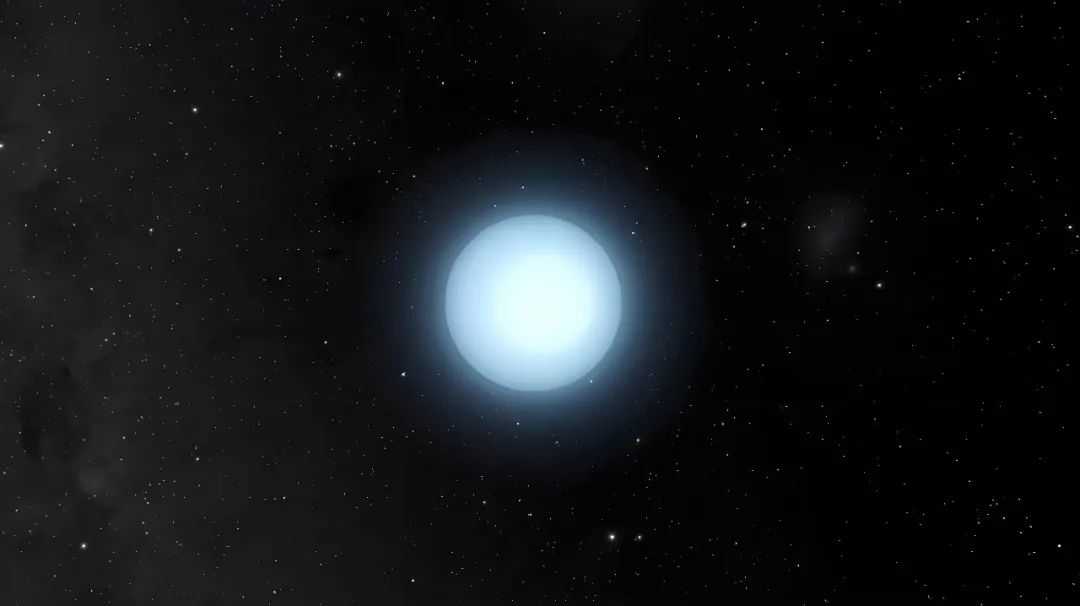
Uranus: The Celestial Ice Giant and Its Mythological Legacy
Uranus, named after the Greek god of the sky, "Ouranos," stands as one of the solar system’s most intriguing ice giants. With a radius of approximately 25,362 kilometers, it is the seventh planet from the Sun, distinguished by its pale blue hue and unique rotational axis. Unlike other planets, Uranus orbits on its side, a characteristic thought to result from a massive collision in its early history, giving it a distinct orientation in the solar system.
1 minute read

The Starry Night Sky: A Glimpse into the Vast Diversity of Stars
On clear nights, the sky is adorned with countless stars, most of which are celestial bodies that, like the Sun, generate their own light through nuclear fusion. Our Milky Way galaxy alone harbors hundreds of billions of stars, each varying dramatically in size, luminosity, mass, and density. These distant suns paint the cosmos with a spectrum of brightness and color, offering a window into the universe’s astonishing diversity.
1 minute read
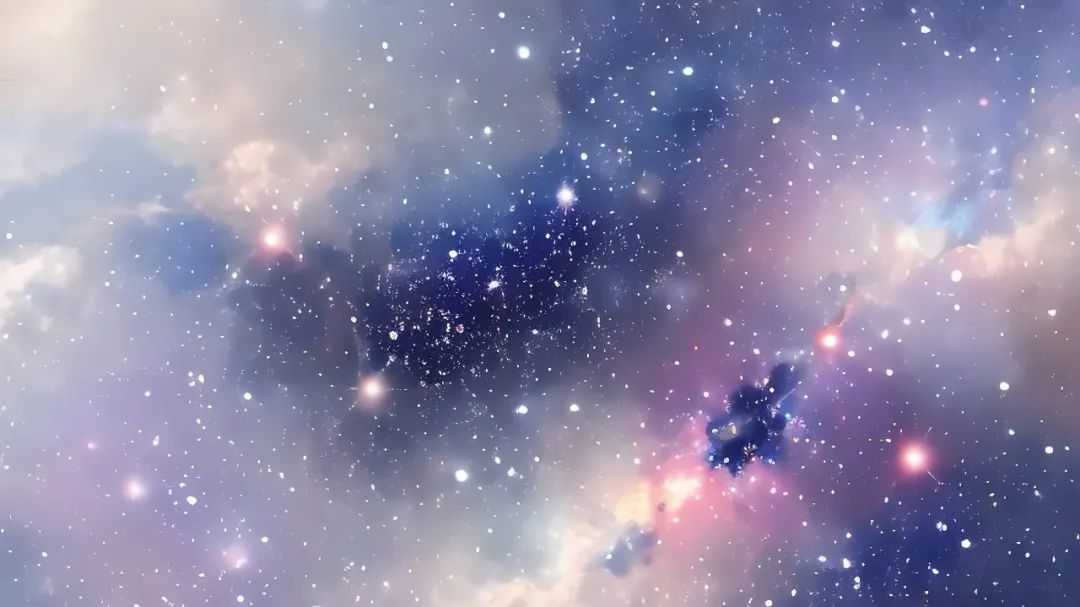
Nebulae: The Glowing Clouds of Star Formation and Stellar Remnants
Through telescopes or astrophotography, celestial observers often encounter luminous, cloud-like structures known as nebulae. These cosmic formations, composed of gas and dust, have fascinated scientists for centuries. Initially classified into two broad categories—galactic nebulae (within the Milky Way) and extragalactic nebulae (beyond our galaxy)—they serve as crucial sites of stellar birth, evolution, and death.
2 minute read
Andromeda Galaxy: The Cosmic Neighbor Illuminating the Night Sky
The Andromeda Galaxy, also known as Messier 31 (M31), stands as the closest major spiral galaxy to our Milky Way, captivating astronomers and stargazers alike with its grandeur and cosmic significance. Visible to the naked eye on clear nights as a faint, fuzzy patch, it offers a glimpse into the vastness of the universe and the complex dynamics of galactic evolution.
1 minute read
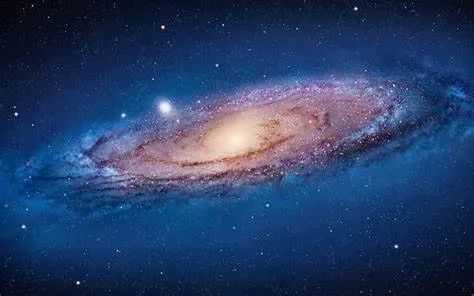
Interstellar Medium: The Invisible Fog Shaping Astronomical Observations
The dimming of starlight as it traverses interstellar space reveals a key cosmic truth: the universe’s vast empty spaces are not truly vacuums but filled with sparse, yet significant, matter. This phenomenon, observed through centuries of astronomical study, highlights the presence of the interstellar medium (ISM)—a diffuse mixture of gas, dust, and cosmic rays that permeates the space between stars.
1 minute read
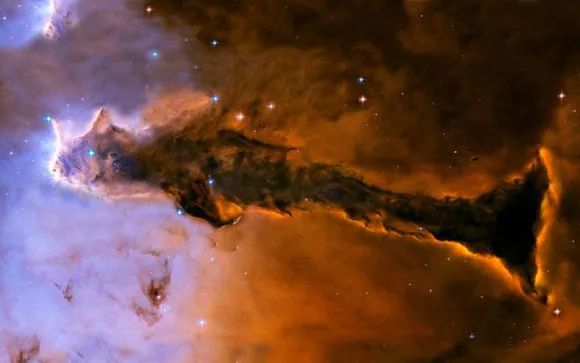
Globular Cluster M4: A Stellar Jewel Beside Antares in Scorpius
Globular cluster M4 (Messier 4) may not dazzle with extreme brightness, but its accessibility and striking proximity to one of the sky’s most iconic stars make it a favorite target for astronomers and astrophotographers alike. Nestled in the constellation Scorpius, this ancient stellar grouping offers a window into the galaxy’s past and a stunning visual companion to its fiery neighbor.
1 minute read
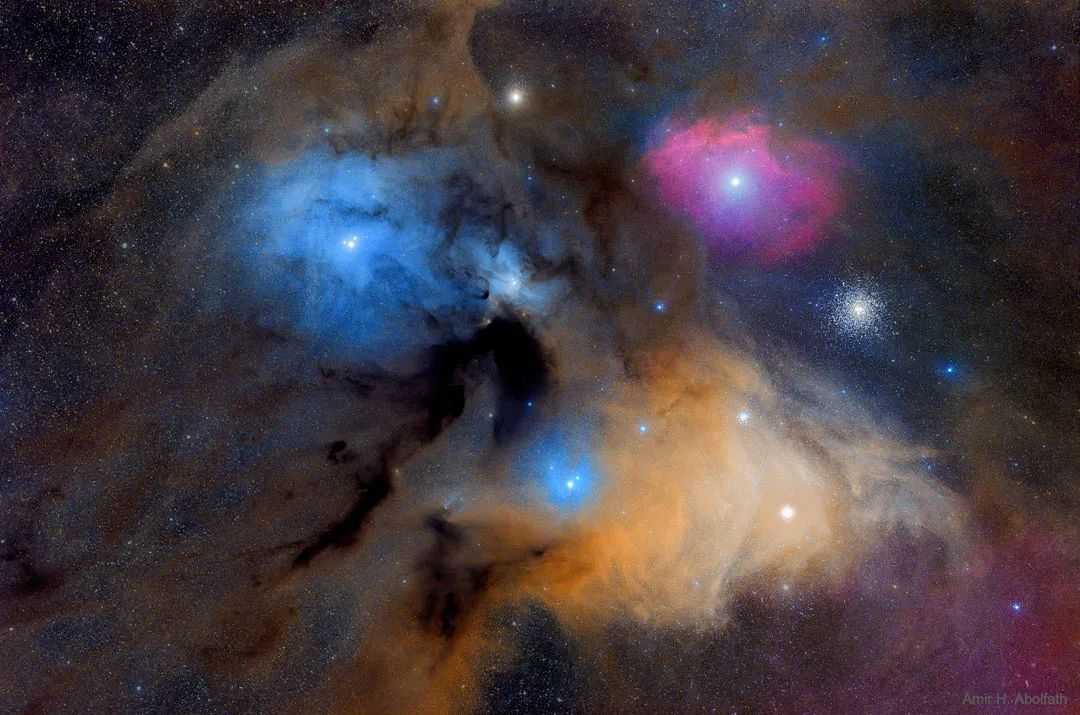
M7: Ptolemy's Cluster—A Brilliant Open Cluster in Scorpius
Known as Ptolemy's Cluster, M7 is a striking open cluster that graces the tail of the constellation Scorpius. With an apparent magnitude of 3.3—comparable to the Andromeda Galaxy’s brightness—it stands out as one of the most luminous and easily observable open clusters in the night sky, captivating both amateur stargazers and astronomers with its celestial beauty.
1 minute read
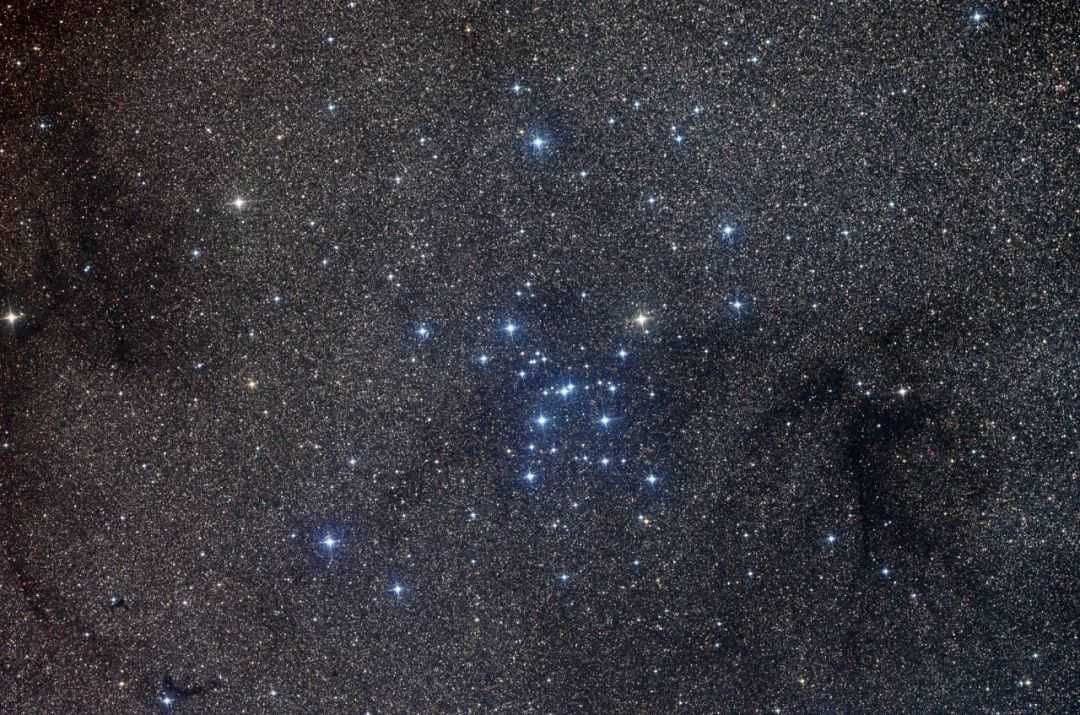
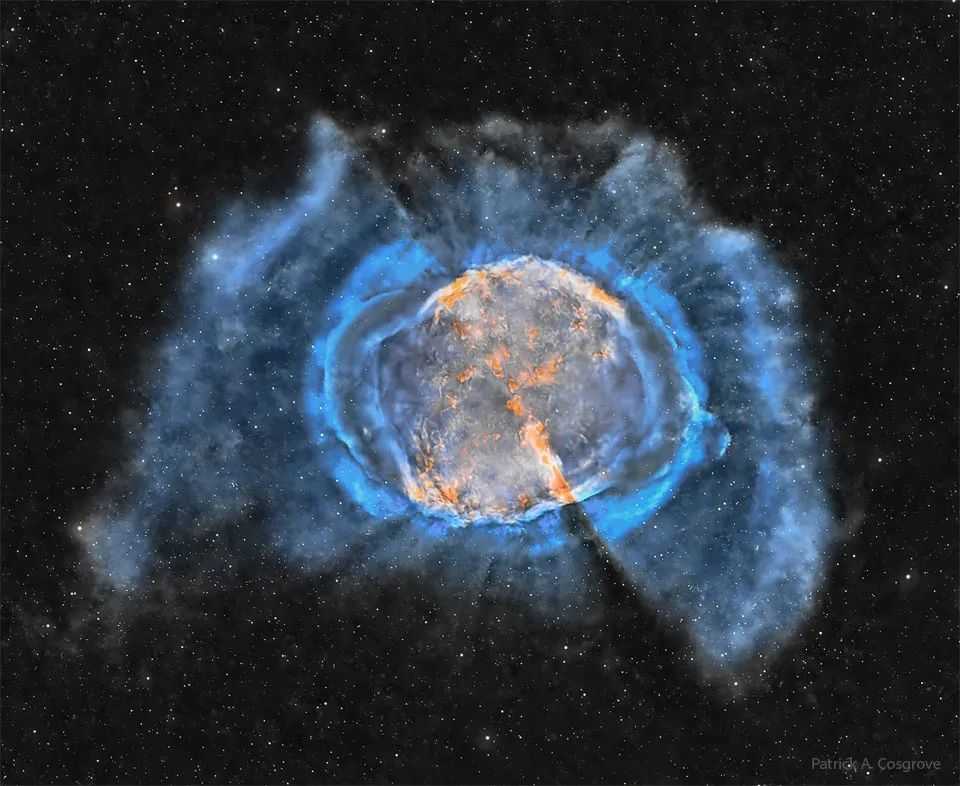
M27, the Dumbbell Nebula: A Stellar Remnant in Vulpecula
The M27 Dumbbell Nebula shines as a prominent celestial spectacle in the summer night sky, nestled in the constellation Vulpecula. Situated roughly at the midpoint between the bright stars Altair (in Aquila) and Deneb (in Cygnus), this iconic nebula is a testament to the life cycle of stars, offering a vivid glimpse into the final stages of a sun-like star’s existence.
1 minute read
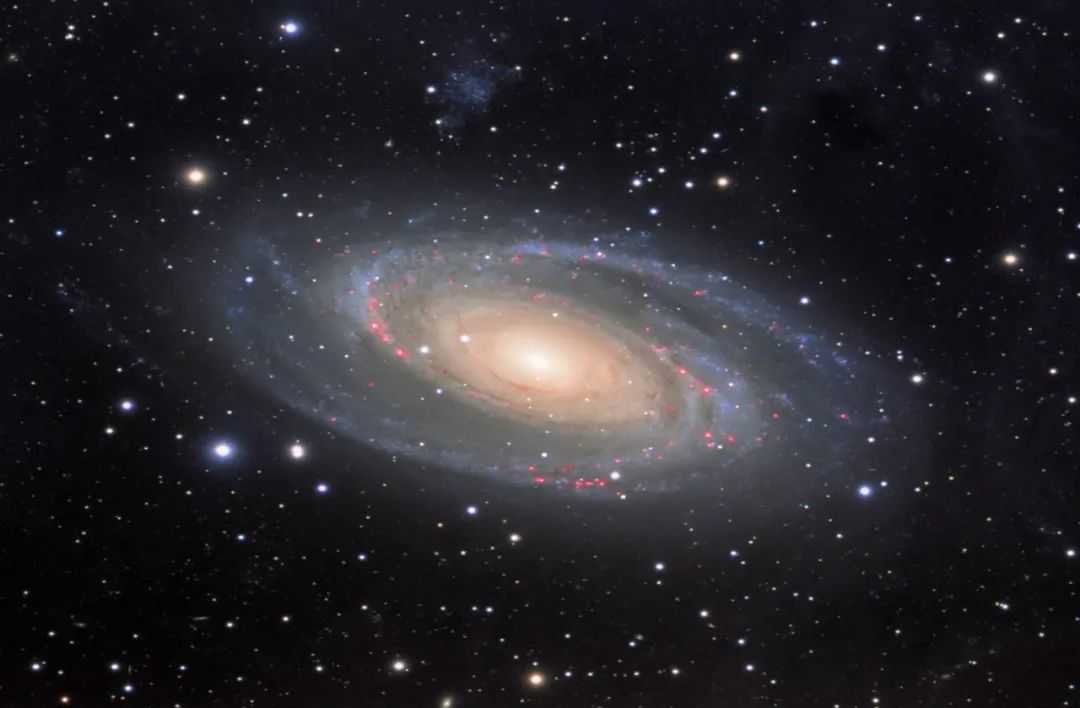
Galaxies Near the Big Dipper: A Cosmic Showcase in Ursa Major
The region around the Big Dipper (Ursa Major) is a treasure trove of distant galaxies, offering astronomers and stargazers a glimpse into the diverse architecture of the universe. Among the most notable are M81 (Bode’s Galaxy), M82 (the Cigar Galaxy), M51 (the Whirlpool Galaxy), and M101 (the Pinwheel Galaxy), each distinct in shape, size, and cosmic story.
2 minute read
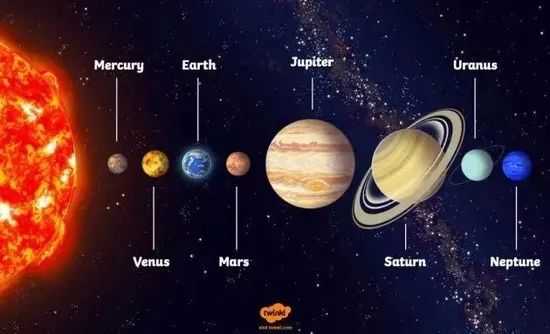
The Solar System's Planetary Trio: Terrestrial, Gas, and Ice Giants
While the solar system is home to just eight planets, they are remarkably diverse, categorized into three distinct groups based on composition and structure. This classification—terrestrial planets, gas giants, and ice giants—reveals the dynamic processes that shaped their formation and highlights the vast range of environments within our cosmic neighborhood.
2 minute read
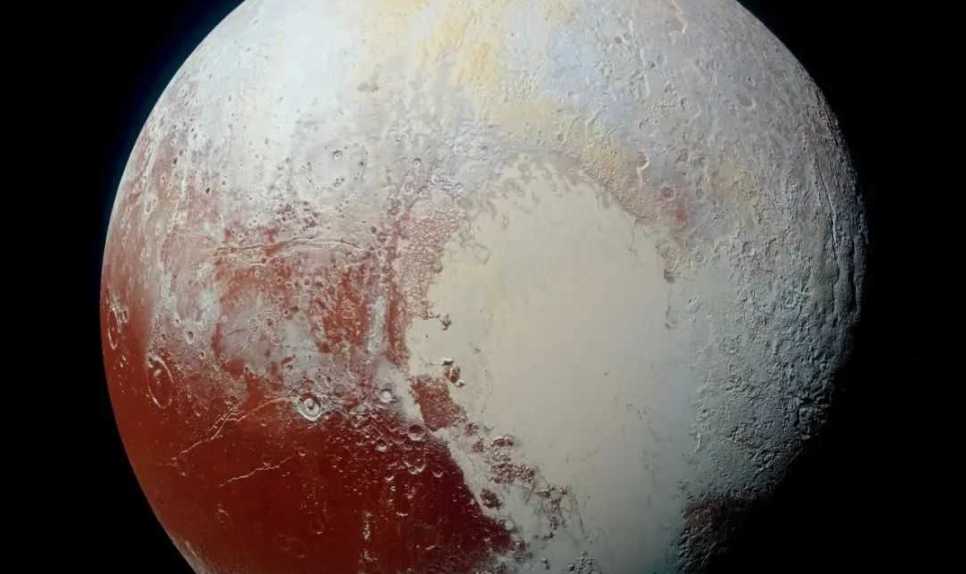
New Horizons' Near-Infrared Image Unveils Pluto's Diverse Surface
A near-infrared image of Pluto captured by NASA's New Horizons spacecraft offers unprecedented insights into the dwarf planet's complex surface. By combining this infrared data with visible-light imagery, scientists can discern the diverse color variations and material types that paint Pluto's icy landscape, revealing clues about its geological history and atmospheric interactions.
1 minute read
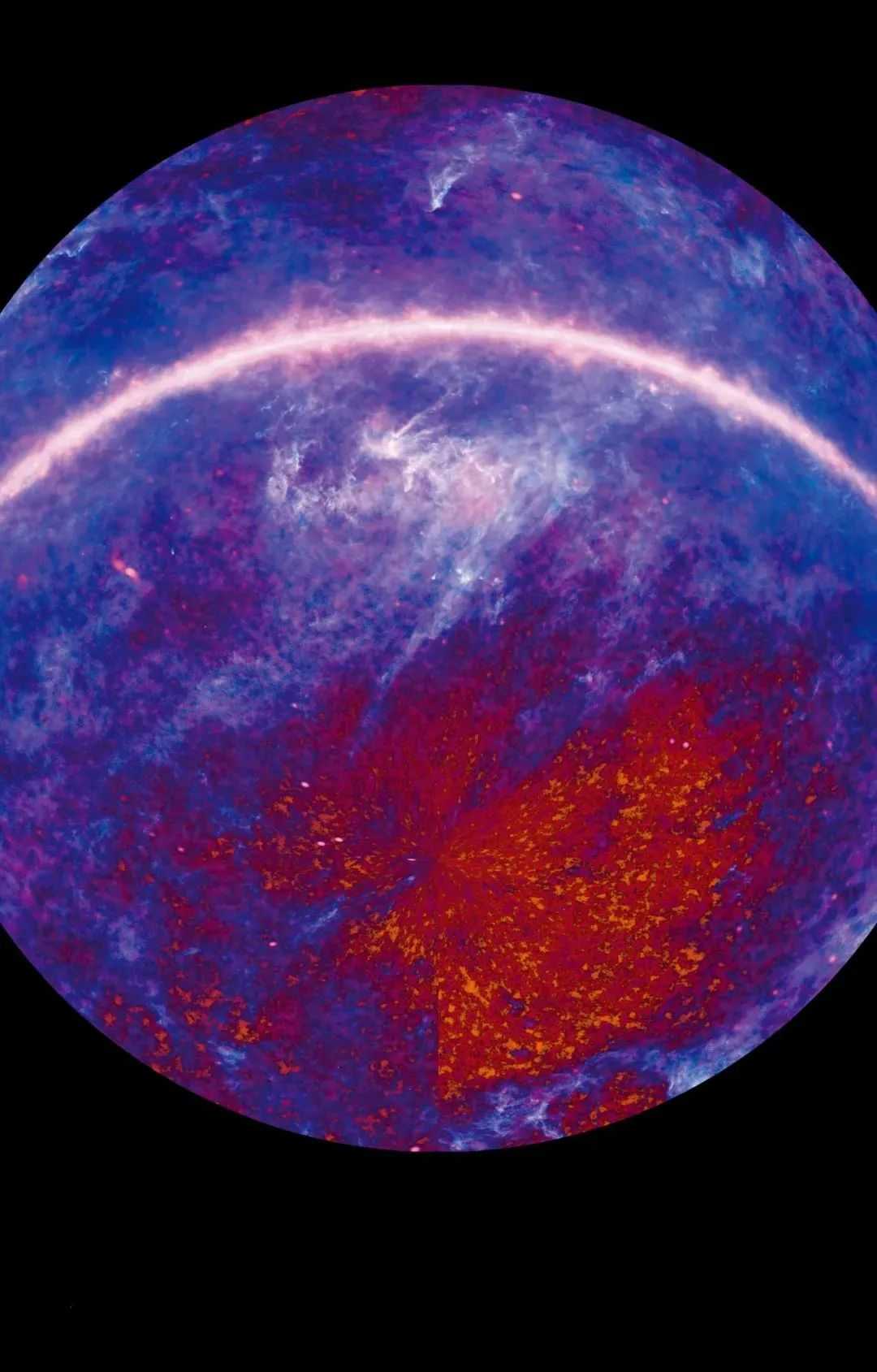
Planck Satellite’s Microwave View Reveals Milky Way’s Disk and Cosmic Background
A striking microwave image of the Milky Way captured by the European Space Agency’s Planck satellite offers a unique perspective on our galaxy and the early universe. The image highlights the galaxy’s prominent disk as a bright, glowing stripe, while faint red regions in the background represent the cosmic microwave background (CMB)—the oldest light in the universe.
2 minute read
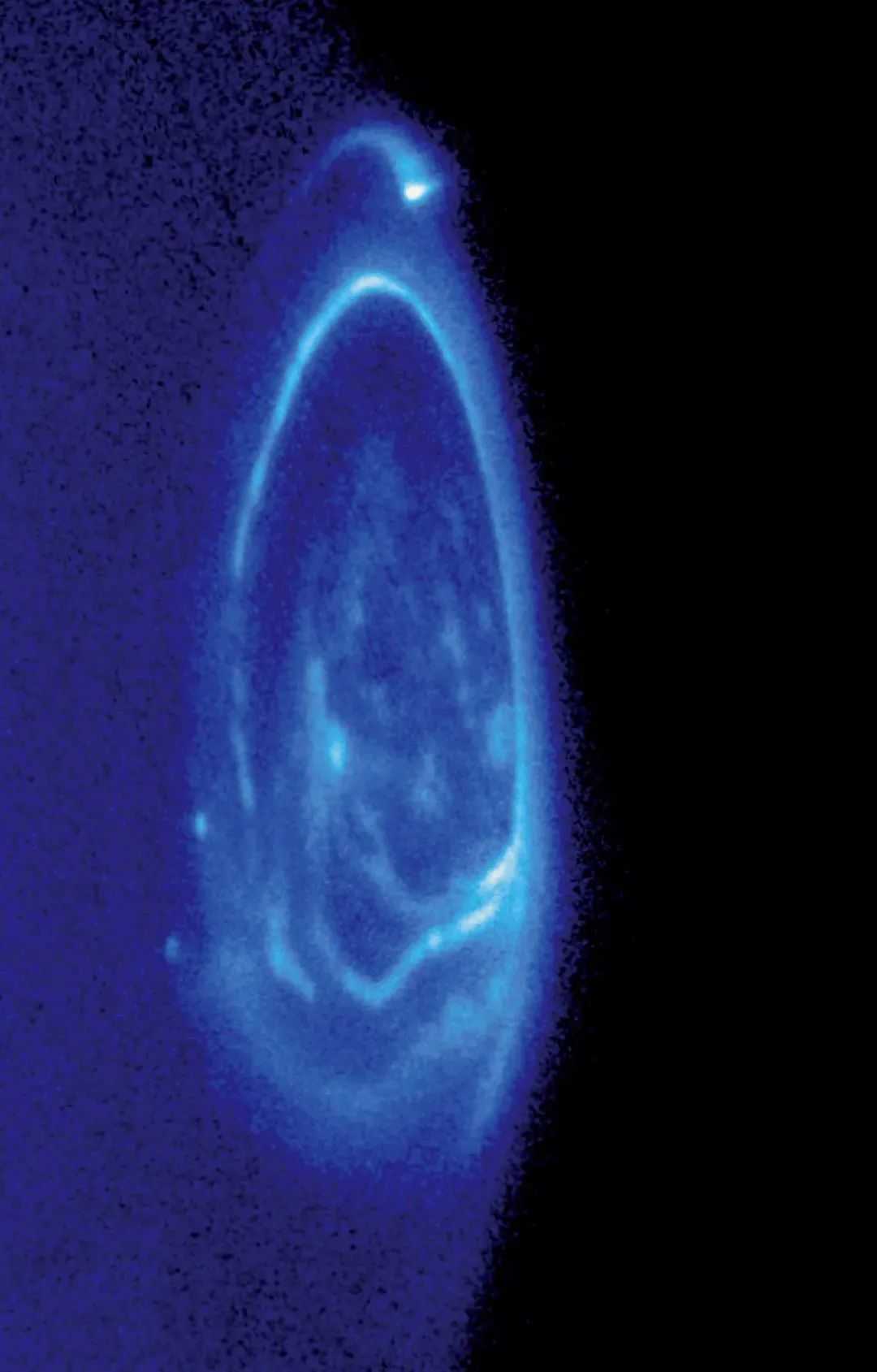
Jupiter's Auroras: Ultraviolet Rings Illuminating the Gas Giant's Poles
A stunning image captures Jupiter’s auroras—dazzling ultraviolet (UV) rings encircling the planet’s north pole—revealing the dynamic interplay between its powerful magnetic field and its retinue of moons. These celestial light shows, invisible to the naked eye but vivid in UV wavelengths, offer a window into the extreme physics governing the solar system’s largest planet.
2 minute read