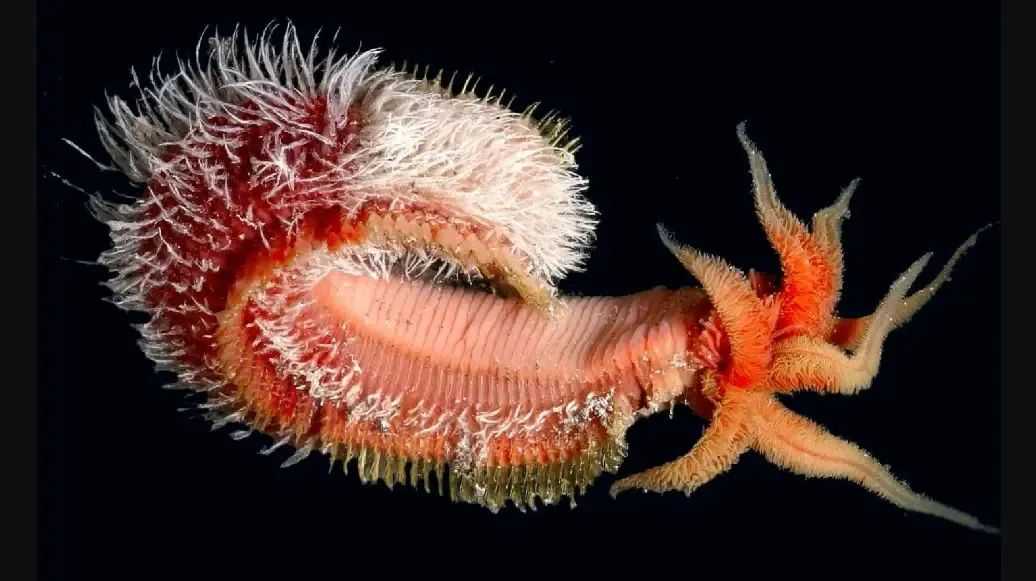
The Heat - Tolerant Pompeii Worm: A Marvel of the Deep - Sea
Scientists have long been fascinated by the Pompeii worm, a remarkable creature that inhabits the extreme environment around underwater volcanic vents. Discovered in the early 1980s off the Galapagos Islands, this unique worm, also known as Alvinella pompejana, has captured the attention of the scientific community due to its extraordinary heat - tolerance.
1 minute read
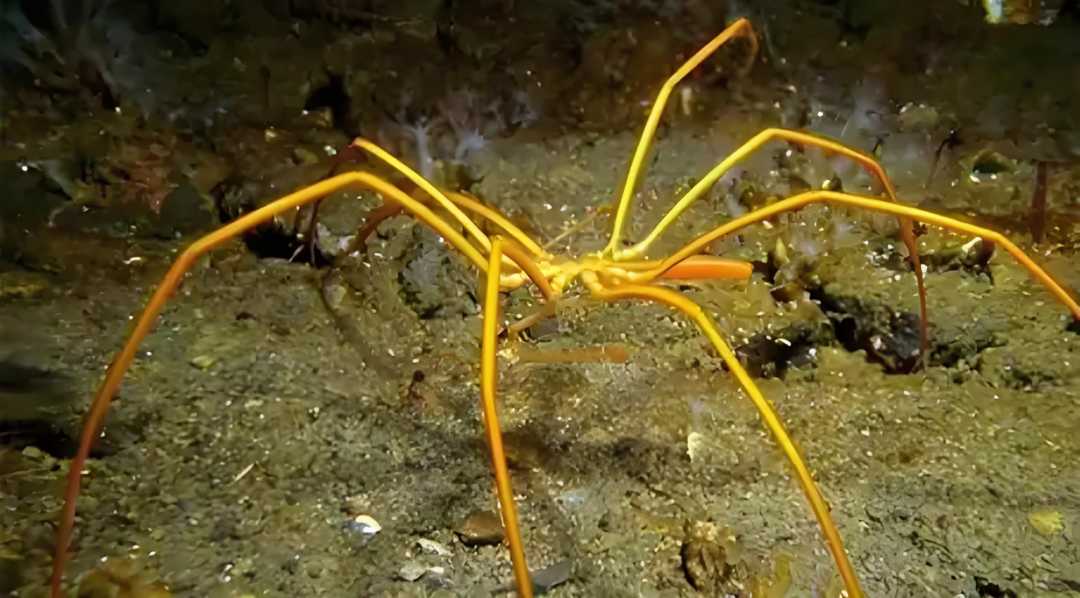
The Enigmatic Sea Spiders: Ancient Marine Wonders
When one thinks of spiders, the image of eight - legged arachnids scurrying on land usually comes to mind. However, there exists a fascinating group of creatures known as sea spiders. Also called pycnogonids, these marine animals have slender, elongated legs and a tiny torso, resembling terrestrial harvestmen, thus earning them their intriguing name.
1 minute read
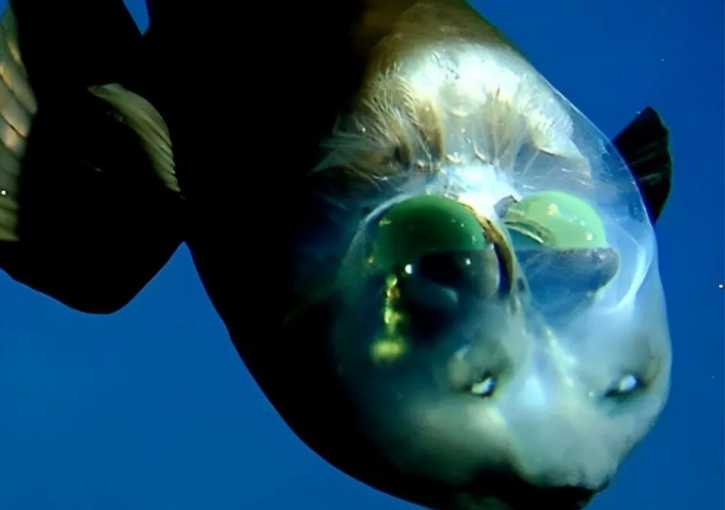
The Mysterious Barreleye Fish: Deep - Sea Marvel with a Transparent Head
The barreleye fish, scientifically known as Macropinna microstoma, has intrigued marine biologists since its discovery in the deep sea in 1939. Its most striking features are a transparent head and tubular eyes, which give it a truly otherworldly appearance. These unique characteristics have made it one of the most fascinating creatures of the ocean's depths.
1 minute read
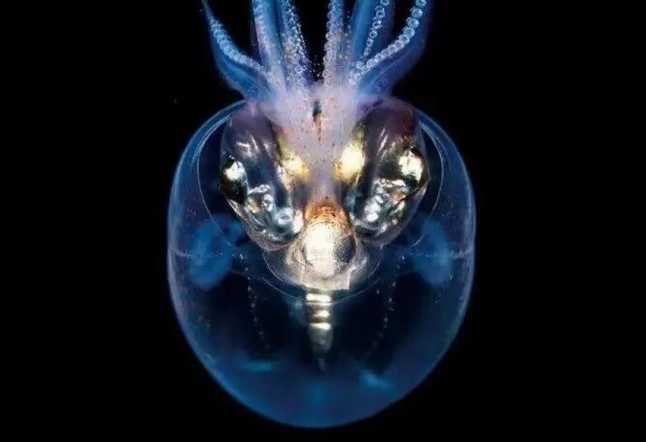
Glass Squid: The Transparent Predators of the Tropical Depths
Among the mysterious denizens of the deep sea, the glass squid stands out with its remarkable transparency, from which it derives its name. Measuring about the size of a palm, these intriguing creatures inhabit the tropical deep sea, where their unique physical characteristics help them thrive in a harsh environment.
1 minute read
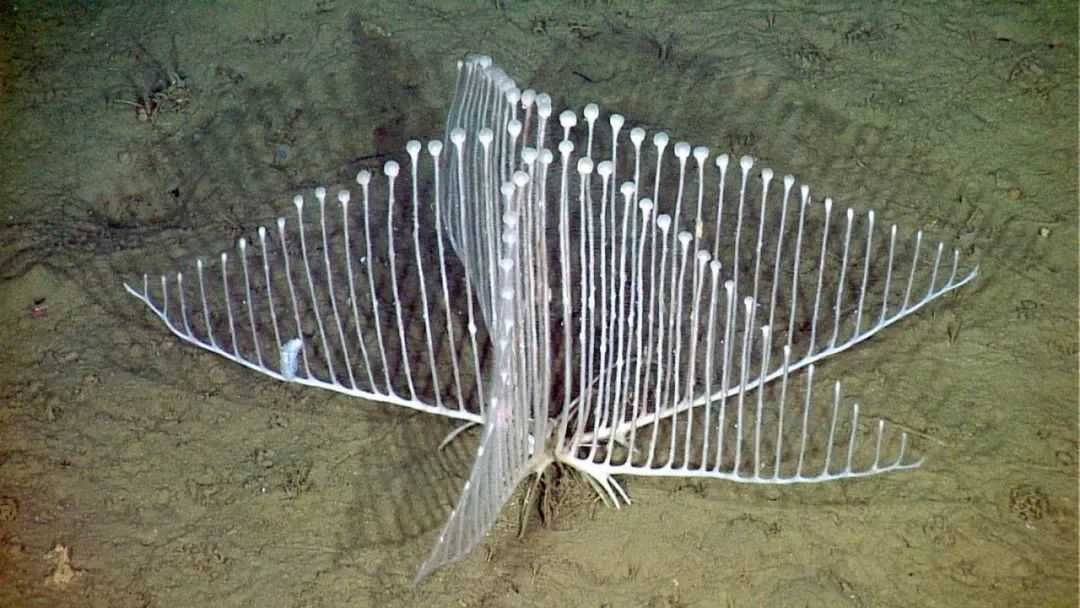
The Enigmatic Harp Sponge: A Carnivorous Wonder of the Deep
In the mysterious depths of the ocean, a unique and fascinating creature known as the harp sponge exists. As its name implies, this remarkable organism bears a striking resemblance to a harp, with a structure that sets it apart from the typical image of a sponge.
1 minute read
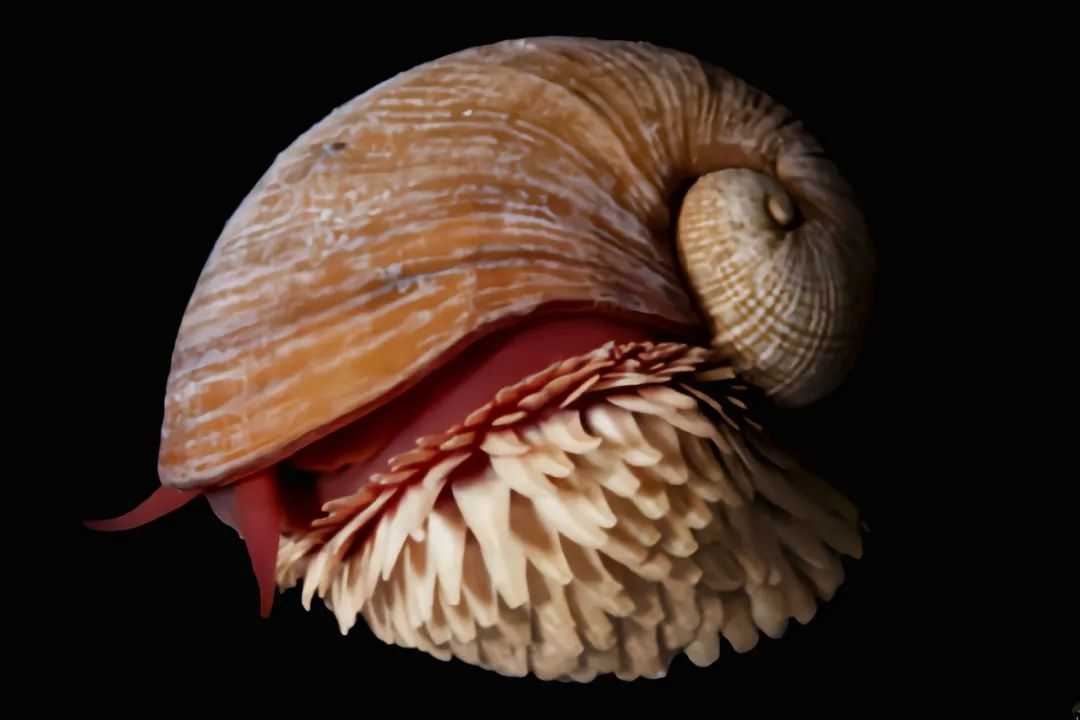
The Scaly - Foot Gastropod: Nature's Metallic - Shelled Marvel
In the vast tapestry of the natural world, the scaly - foot gastropod stands out as a true anomaly. It is the only known animal in nature to possess a metallic shell, a feature that makes it seem like a living, breathing relic from a fantastical realm. This extraordinary creature defies expectations with its unique adaptations.
1 minute read
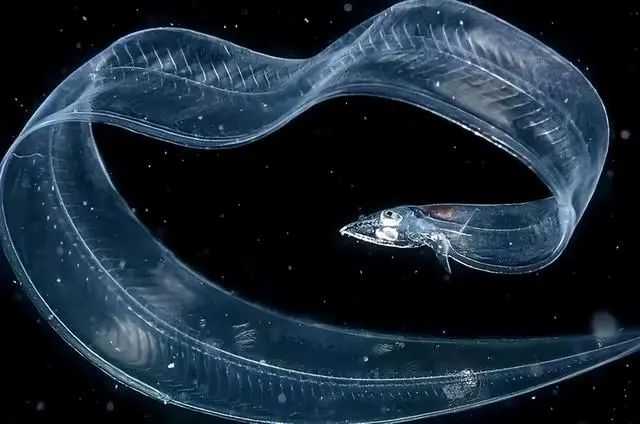
The Enigmatic Journey of the Leaf-like Eel Larvae: Nature's Translucent Travelers
In the vast expanse of the ocean, a mesmerizing spectacle unfolds in the form of the leaf-like eel larvae, or "leptocephali." These are the larval stage of eels and certain fish species, characterized by their incredibly thin, leaf-shaped bodies, which give them their name. Translucent and ethereal, they are a testament to the wonders of marine life adaptation.
1 minute read
The Bobbit Worm: Ocean’s Deadly Ambush Predator
In the depths of tropical seas lurks Eunice aphroditois, better known as the Bobbit worm—a creature so fearsome it’s dubbed “the true worm of hell.” With a body stretching up to 3 meters, this marine predator hides beneath sandy seabeds, using its five bioluminescent tentacles as lures, ready to unleash a deadly surprise on unsuspecting prey.
1 minute read
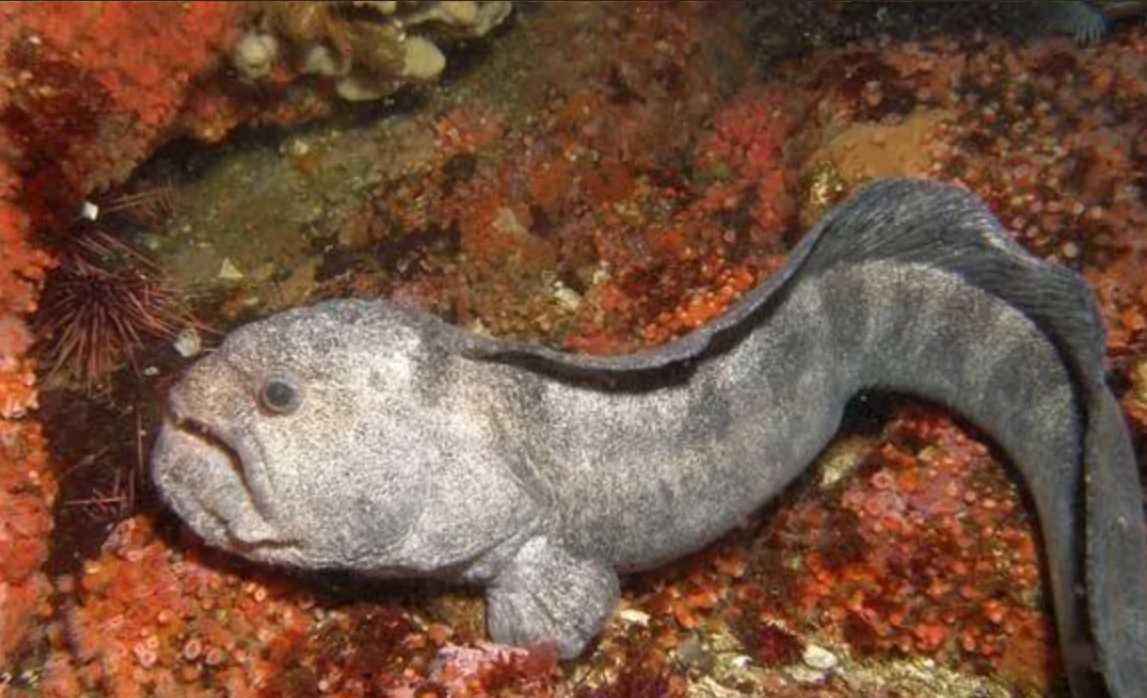
The Enigmatic Wolf Fish: Masters of the Cold - Water Depths
In the frigid waters of the Atlantic and North Pacific Oceans dwells the remarkable wolf fish, a species reaching up to 1.5 meters in length and belonging to the order Anarhichadiformes. The Atlantic wolffish, commonly known as the ocean catfish, and the Bering wolffish are its prominent representatives, each adapted to distinct underwater habitats.
1 minute read
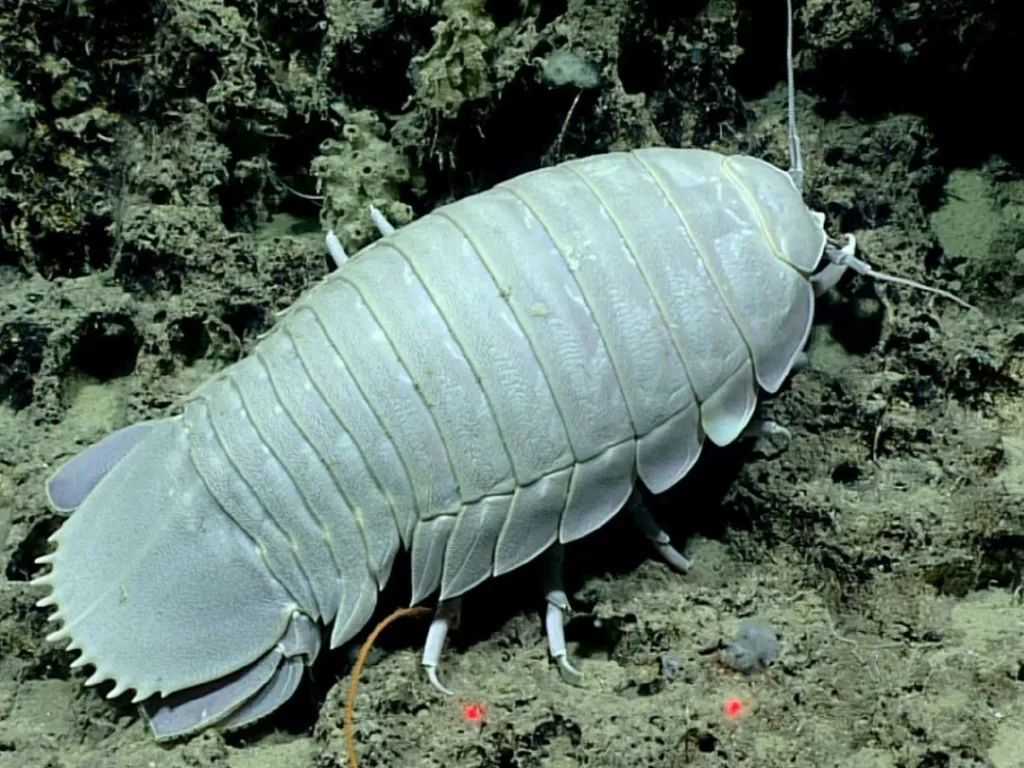
The Giant Isopod: Deep-Sea Living Fossil and Resilient Marvel
In the abyssal depths of the Indo - West Pacific and western Atlantic Oceans, the giant isopod, also known as the "giant deep - sea louse" or "deep - sea pangolin," roams. With an appearance resembling an oversized louse, it features two pairs of antennae, seven pairs of jointed limbs, and a distinctive shield - like exoskeleton made of calcium - rich scales that merge seamlessly with its head and tail.
1 minute read
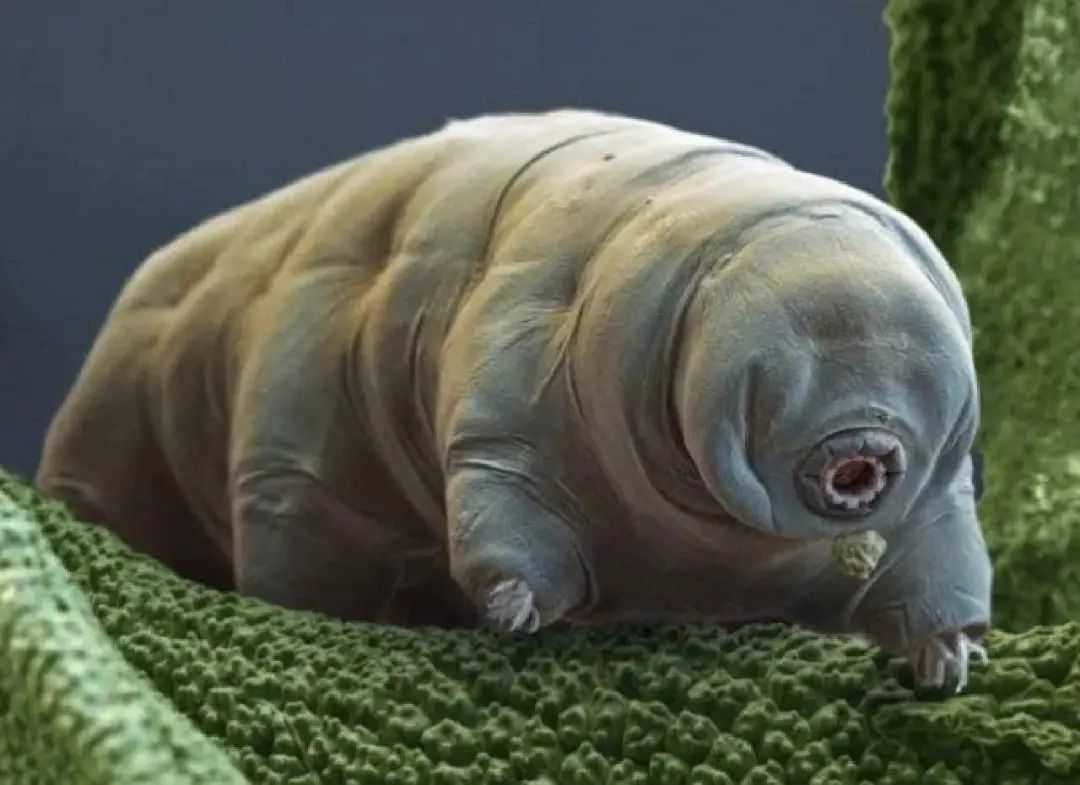
Tardigrades: The Indomitable Microscopic Marvels of Life
Known as water bears, tardigrades are minuscule, segmented creatures belonging to the phylum Tardigrada. With a history tracing back to the Cambrian period 500 million years ago, these microscopic beings have earned a reputation as some of the most resilient organisms on Earth. Their ability to withstand extreme conditions sets them apart in the natural world.
1 minute read
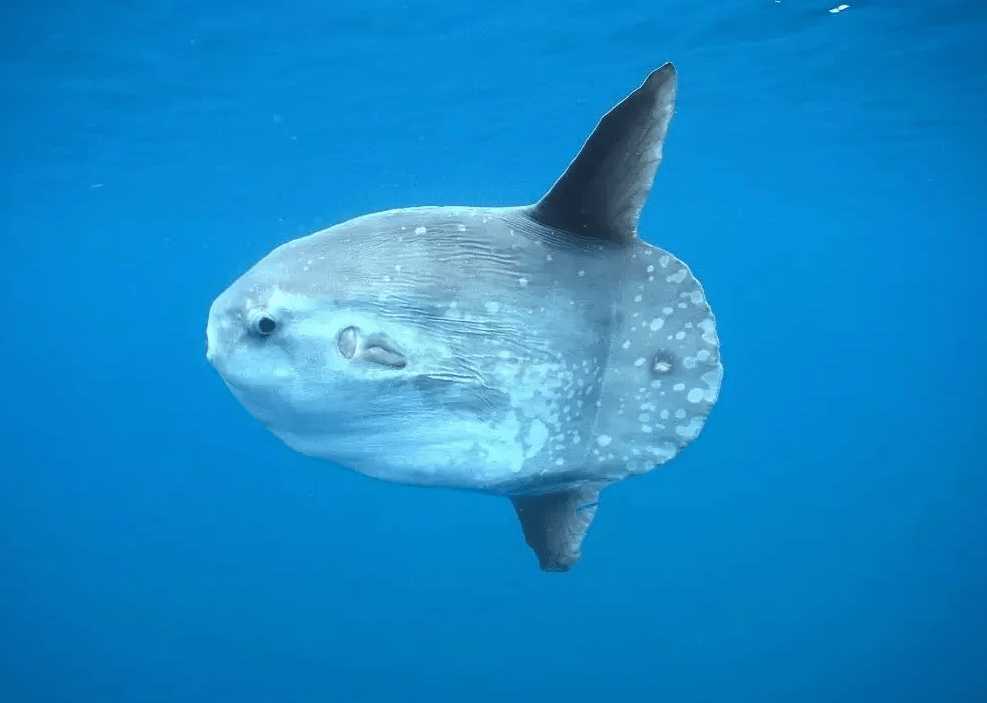
The Ocean's Laid - Back Giant: The Fascinating Sunfish
Meet the ocean sunfish, or Mola mola, the world’s heaviest bony fish. Growing up to 3 meters in length and weighing a staggering 2 tons, this gentle giant inhabits warm seas around the globe. With its distinctive flattened, disc - shaped body, a rudimentary wavy tail, and sail - like dorsal and anal fins, the sunfish cuts an unmistakable figure in the marine world.
1 minute read
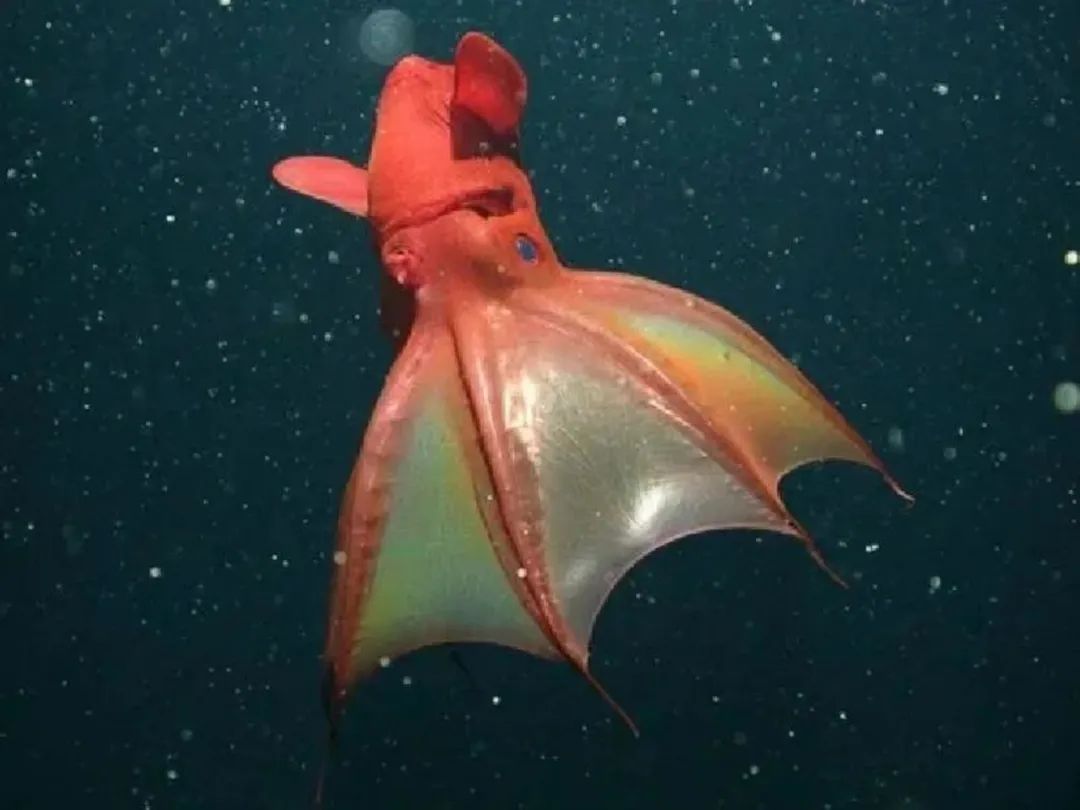
The Vampire Squid: Eerie Deep - Sea Enigmas of the Abyss
In the pitch - black, oxygen - starved depths of tropical and temperate oceans, between 600 and 4,000 meters below the surface, dwells the vampire squid, or Vampyroteuthis infernalis, a mysterious cephalopod. Measuring around 15 centimeters in length, this creature has earned its ominous moniker from its otherworldly appearance and survival tactics in one of the most extreme environments on Earth.
1 minute read
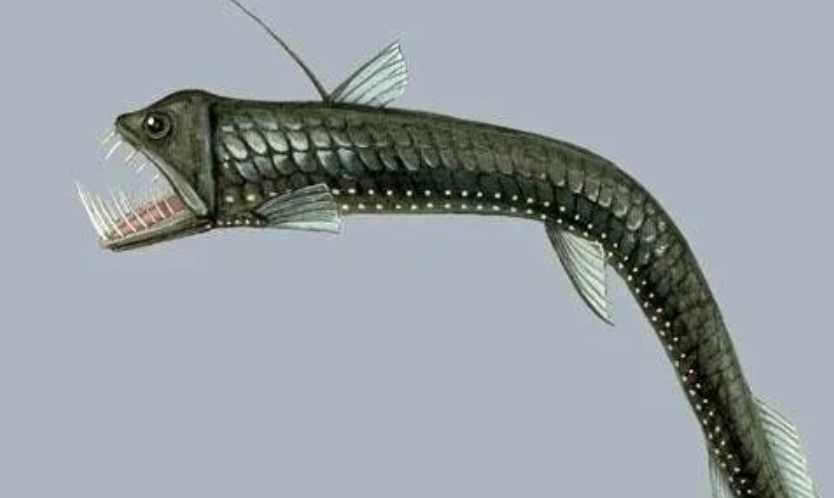
The Viperfish: Sinister Predator of the Deep Sea Abyss
In the pitch - black depths of tropical to temperate oceans, the viperfish lurks, a small yet fearsome deep - sea fish measuring under 35 centimeters in length. Its appearance alone is enough to send shivers down one’s spine, embodying the stuff of nightmares with features that seem ripped from the pages of a horror story.
1 minute read
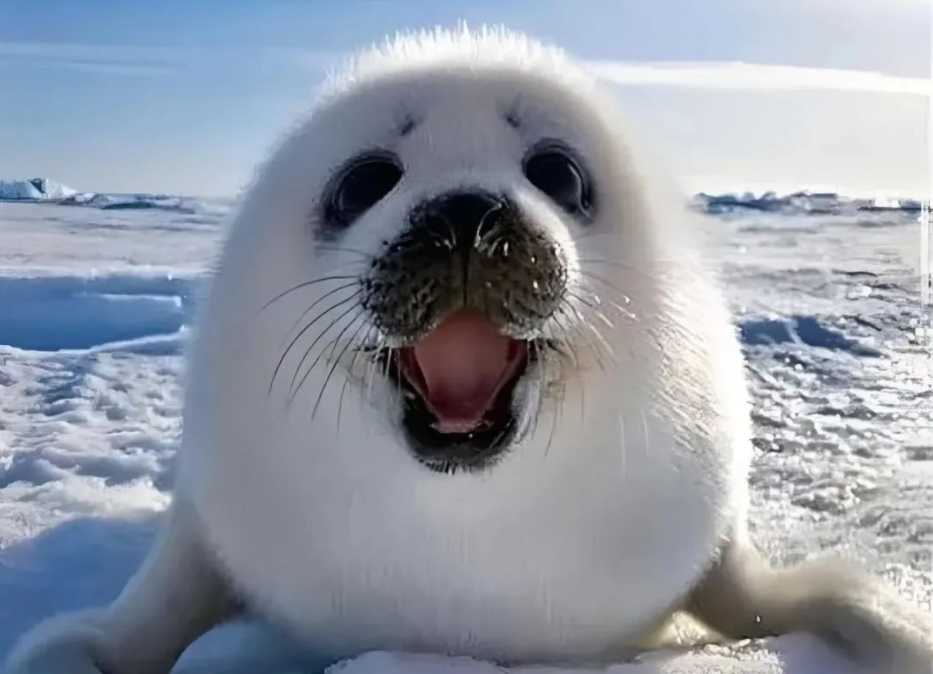
Arctic's Adorable Ambassadors: The Charming Harp Seals
In the icy expanse of the Arctic Ocean, harp seals thrive as remarkable marine mammals. Measuring around 1.7 meters in length and weighing approximately 130 kilograms as adults, these creatures navigate the frigid waters with grace. Feeding primarily on fish and crustaceans, they have adapted uniquely to their harsh, polar habitat.
1 minute read