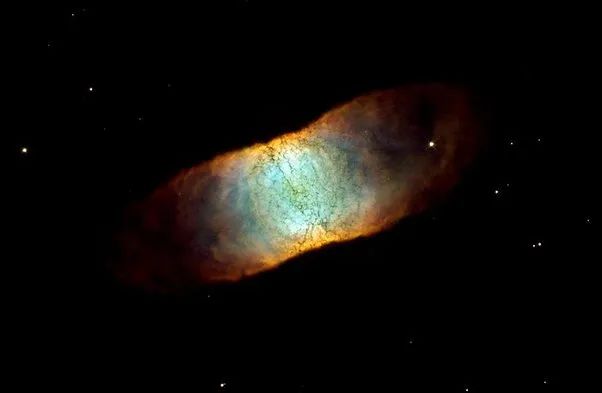
Venus: Earth's Alike Yet Temperamental Neighbor
Venus, often dubbed Earth's "sister planet" due to their similar sizes and masses, harbors a strikingly different and rather menacing nature. This second planet from the Sun presents a world of extreme conditions, making it a captivating subject of study for astronomers and a cautionary example of what could happen to a planet's climate.
1 minute read
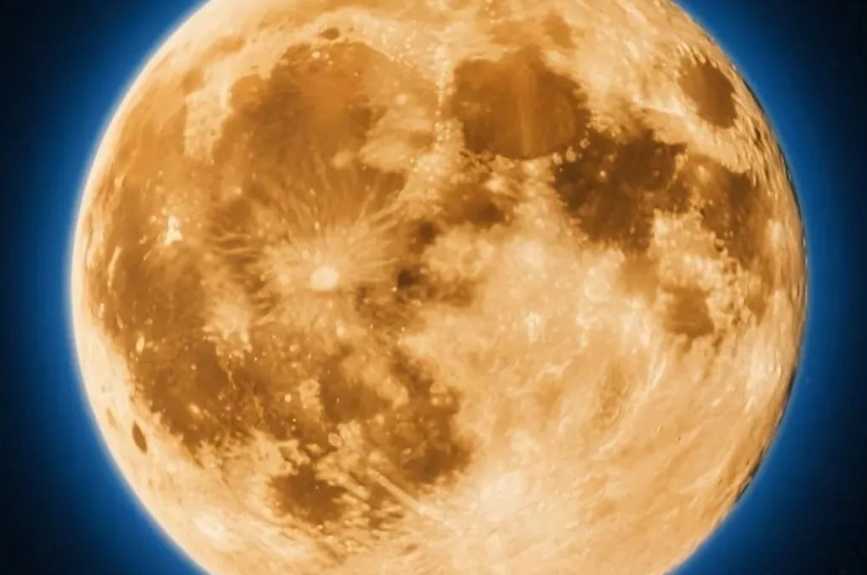
Mars: The Red Planet’s Mysteries and Extremes
Mars, the fourth planet from the Sun, captivates with its rust-red hue and intriguing past, inviting humanity to unravel its secrets. Known as the "Red Planet," it stands out in the solar system for its dramatic landscapes, massive dust storms, and the tantalizing possibility that it once harbored life.
2 minute read
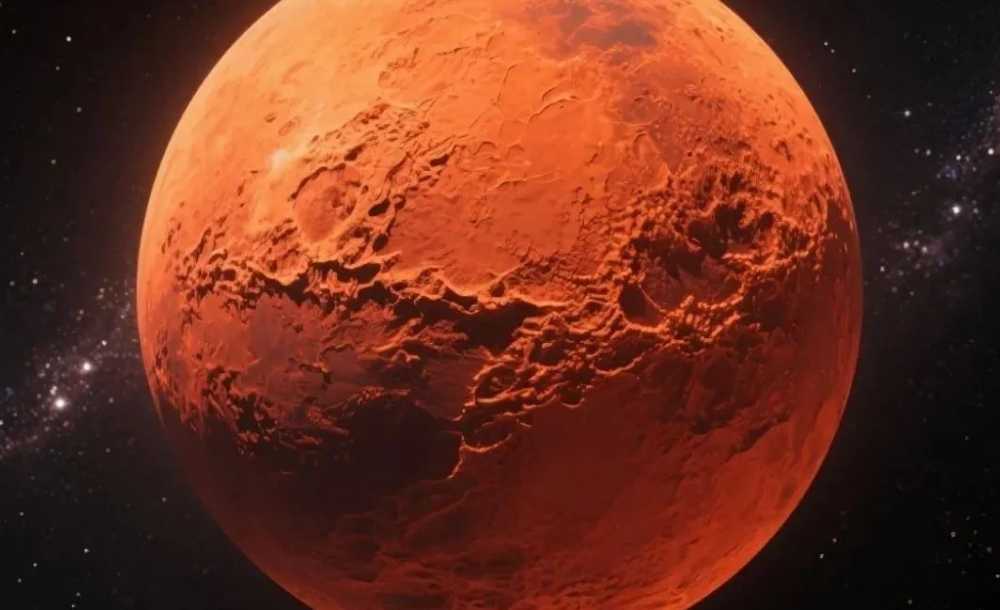
Jupiter: The Colossal Powerhouse of the Solar System
Jupiter, the fifth planet from the Sun, is a behemoth that commands attention in our solar system. With its staggering size and dynamic features, it stands as a captivating subject of study for astronomers and space enthusiasts alike.
1 minute read
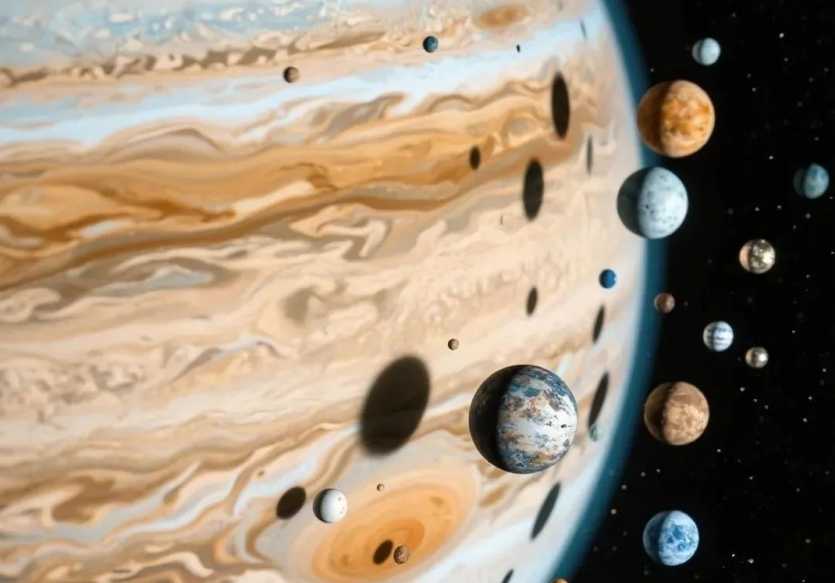
Neptune: The Solar System's Temperamental Titan
Neptune, the eighth and outermost planet in our solar system, lives up to its title as the "temperamental titan." Hidden from the naked eye, this ice giant conceals a world of extreme weather and frigid temperatures, making it a fascinating subject of study for astronomers.
1 minute read
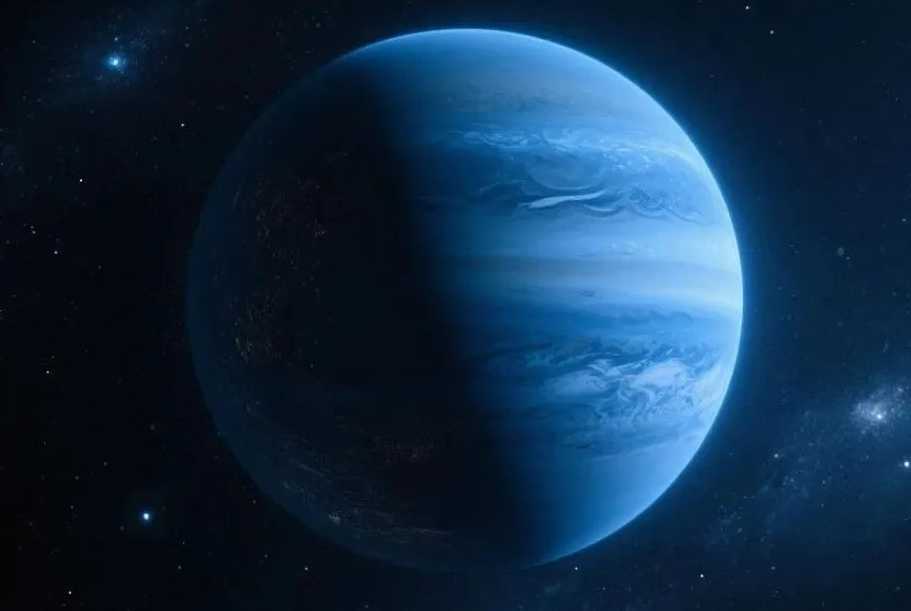
Pulsars: Celestial Beacons Born from Cosmic Cataclysms
In the vast and mysterious cosmos, pulsars stand out as some of the most extraordinary and enigmatic objects. These highly magnetized, rapidly rotating neutron stars rank as the second - densest celestial bodies, just after black holes. Their origin is deeply intertwined with the most powerful events in the universe - supernova explosions.
1 minute read
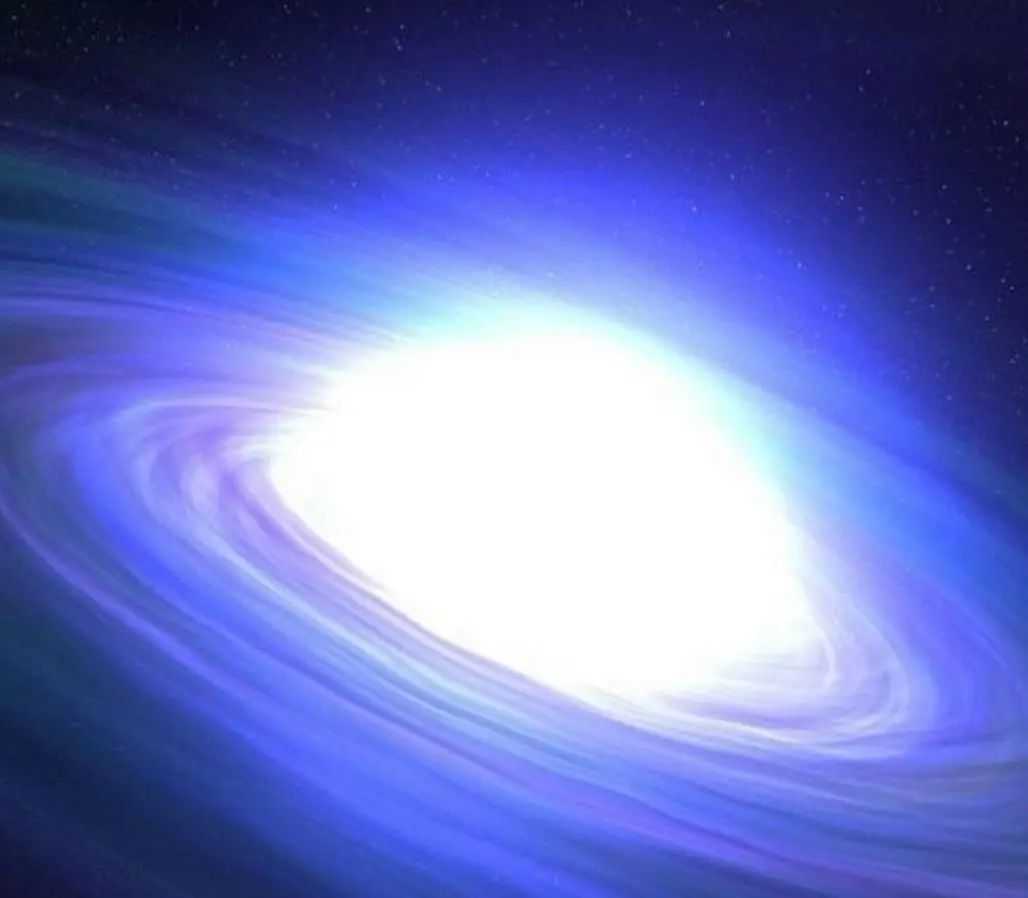
Hubble's Iconic 'Pillars of Creation'
The "Pillars of Creation," an iconic image captured by the Hubble Space Telescope in 1995, is one of its masterpieces. This photograph, taken in the Eagle Nebula (M16), showcases three massive gas pillars that reach up to 4 - 5 light - years in height, serving as a cradle for star birth.
1 minute read
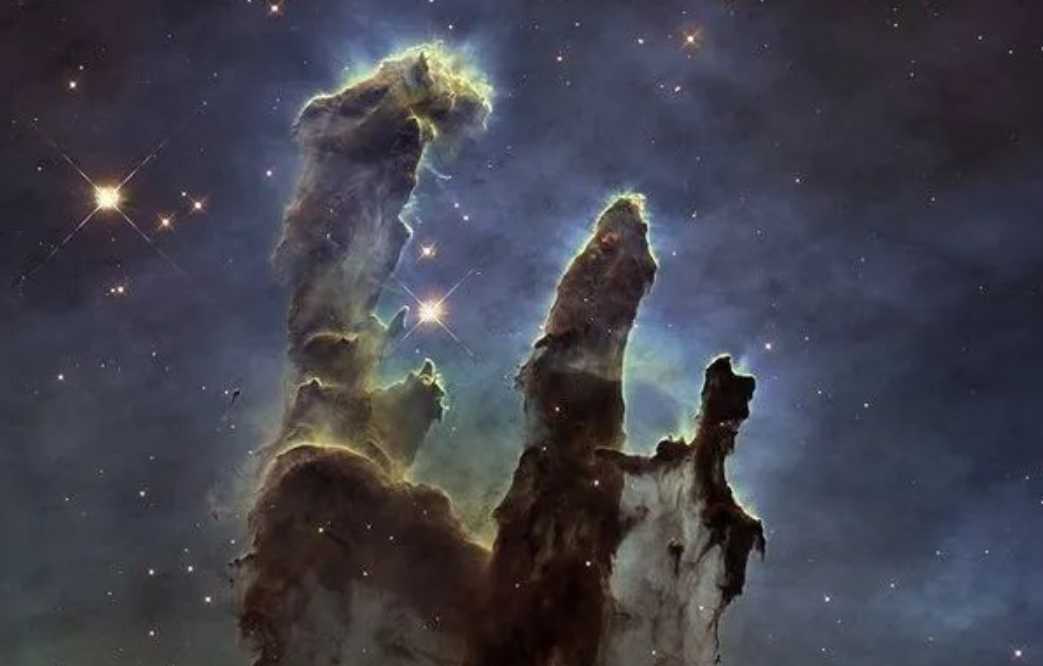
Westlund 2 Cluster: A Cosmic Cradle of Young Stars
Nestled 20,000 light - years away in the constellation Carina, the Westlund 2 cluster stands as a vibrant testament to the dynamic processes of star formation. Comprising approximately 3,000 young stars that emerged within just a few million years, this celestial nursery illuminates the surrounding space with its intense brilliance.
1 minute read
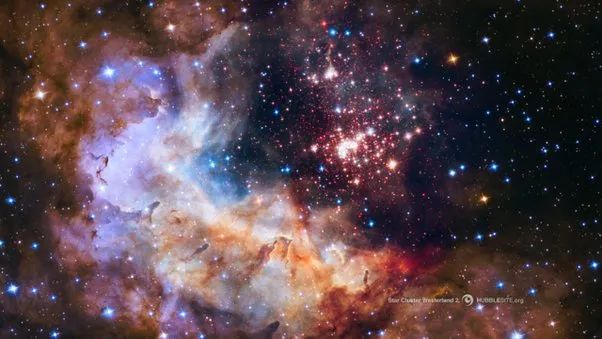
The Enigmatic Bipolar Jets of Planetary Nebulae
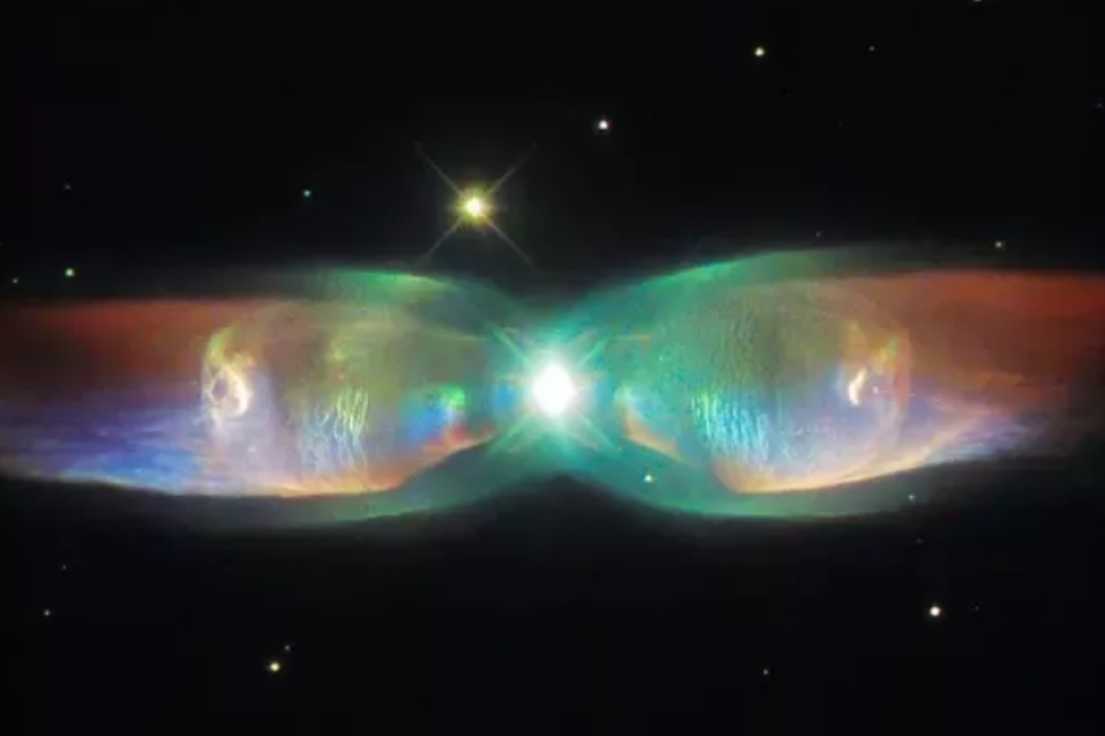
The bipolar nebula, a rare and fascinating cosmic spectacle, stands as a testament to the dramatic final stages of stellar evolution. Often triggered by the death of a star, these nebulae are defined by their most striking feature: two symmetrical jets of gas and dust ejected in opposite directions, giving them their distinctive name and appearance.
1 minute read
The Hourglass Nebula: A Cosmic Ode to Stellar Demise
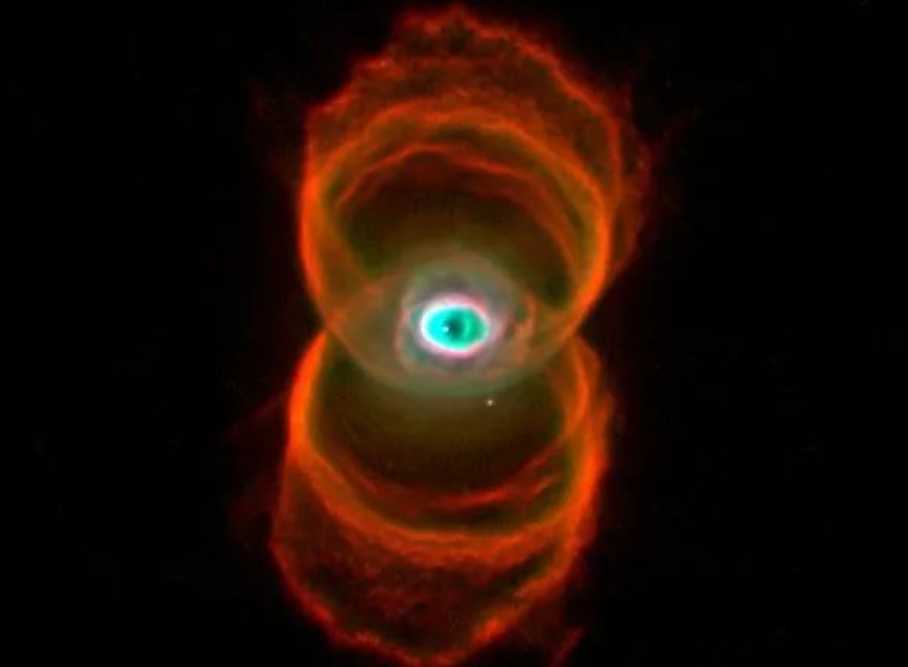
The Hourglass Nebula stands as a mesmerizing testament to the power and beauty of stellar death. Born from the explosive end of a star's life cycle, this celestial wonder owes its iconic shape to the forces unleashed during a star's final moments, captivating astronomers with its symmetrical, hourglass - like structure.
1 minute read
IC 4406: A Cosmic Swan Song of a Dying Star
IC 4406, a celestial spectacle in the vast universe, stands as a poignant testament to the final act of a star's life. This planetary nebula, formed from the remnants of a low - mass star approaching the end of its lifecycle, showcases the breathtaking beauty and complexity that emerge during the dramatic process of stellar decay.
1 minute read