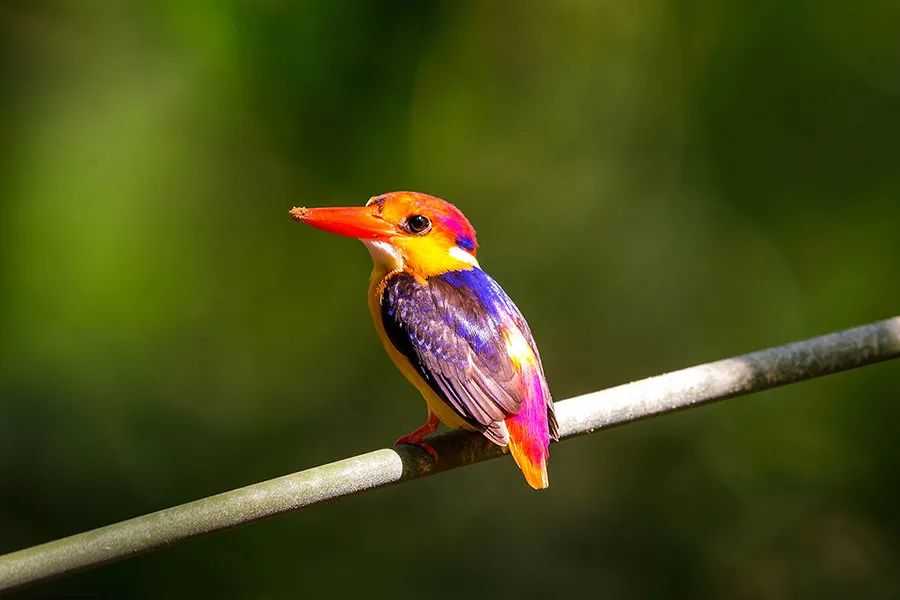
Numenius madagascariensis: The Migratory Giant of East Asian and Australian Wetlands
Numenius madagascariensis, commonly known as the Far Eastern curlew, stands as one of the largest migratory wading birds, undertaking epic journeys between East Asia and Australia. Renowned for its extensive migrations and distinctive appearance, this avian species plays a crucial ecological role in the diverse wetlands and coastal ecosystems it traverses.
2 minute read

Xenus cinereus: The Agile Migrant Connecting East Asia and Australia
Xenus cinereus, commonly known as the upturned-bill sandpiper, is a remarkable medium-sized wading bird that undertakes an impressive migratory journey between East Asia and Australia. Renowned for its unique foraging adaptations and ecological role, this species is a vital component of the coastal and wetland ecosystems it traverses during its annual migrations.
2 minute read

Platalea ajaja: The Vibrant Roseate Spoonbill of the Americas
Platalea ajaja, commonly known as the roseate spoonbill, is a striking wading bird native to the warm regions of the Americas. Renowned for its vivid plumage and unique feeding behavior, this species is an iconic inhabitant of shallow wetlands and coastal ecosystems, where its presence adds a splash of color to the landscape.
2 minute read

The Peacock: Nature’s Ornate 'King of Birds' and Symbol of Splendor
Hailed as the "King of Birds" (outshining the mythical phoenix in real-world grandeur), the peacock captivates with its resplendent plumage, long revered as a symbol of good fortune and nobility. A member of the pheasant family, this majestic bird comprises two species: the blue peacock native to South Asia—India’s national bird—and the green peacock, a critically endangered resident of Southeast Asia and China’s Yunnan province, protected as a national first-class animal.
1 minute read
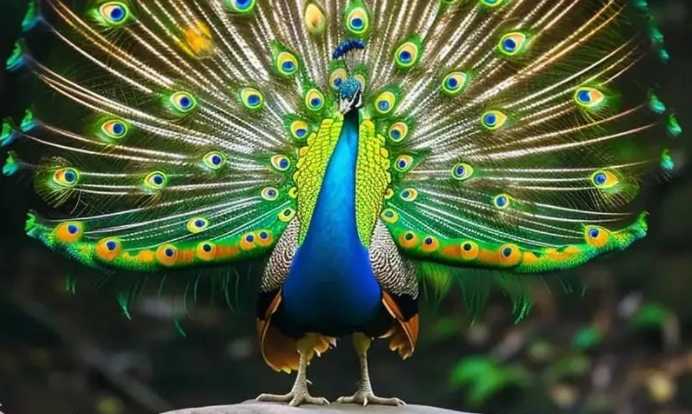
The Wood Duck: North America’s Jeweled Waterfowl and Living Work of Art
Scientifically named Aix sponsa—Latin for "bird as beautiful as a bride"—the wood duck is a petite tree-dwelling waterfowl measuring 47–54 cm. Native to North America’s lakes, wetlands, and forested waterways, it feasts on acorns and aquatic insects, blending arboreal agility with aquatic grace.
1 minute read

The Bohemian Waxwing: A Northern Forest Jewel in Silken Plumage
Scientifically named Bombycilla garrulus, the Bohemian waxwing is a medium-sized songbird of the Passeriformes order, measuring 18 cm in length. Inhabiting boreal forests across northern North America and Eurasia, it undertakes minor winter migrations, feasting primarily on berries and boasting a lifespan of around 13 years.
1 minute read

Pelecanus erythrorhynchos: The Majestic American White Pelican of North America
The American white pelican (Pelecanus erythrorhynchos) stands as one of North America’s most iconic large waterbirds, celebrated for its striking appearance and impressive aerial prowess. With its snowy plumage and imposing size, this species is a familiar sight in the continent’s freshwater lakes, rivers, and coastal estuaries, where it plays a vital role in aquatic ecosystems.
2 minute read
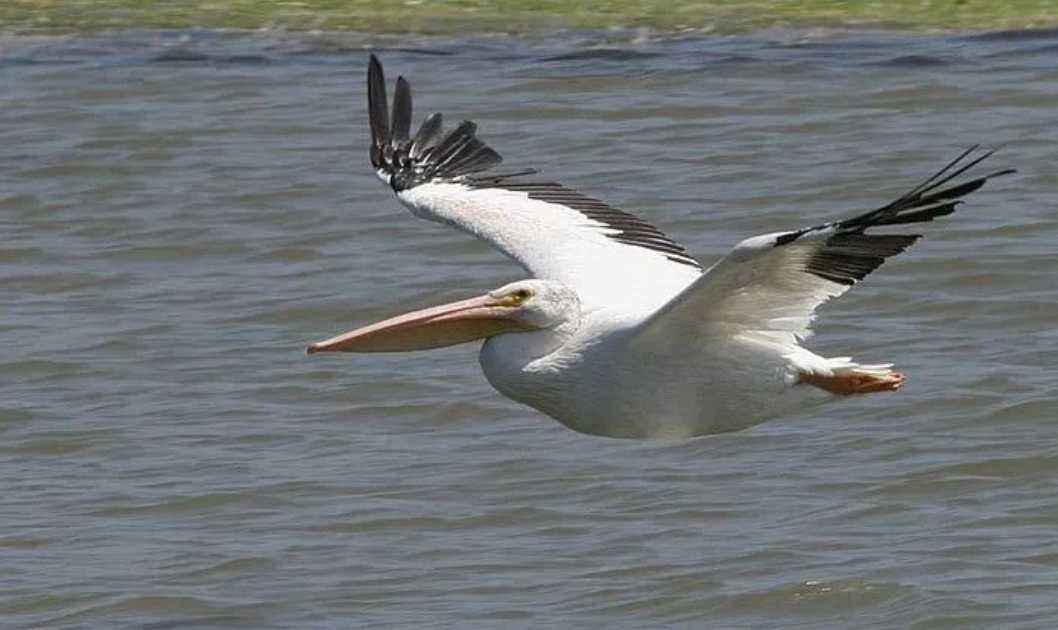
The Lilac-breasted Roller: Africa’s Iridescent Avian Jewel with a Spiritual Name
Scientifically named Coracias caudatus, the lilac-breasted roller is a 36-cm bird of the Coraciiformes order, thriving across sub-Saharan Africa and southern Arabia. Feeding on insects and lizards, it holds the prestigious title of national bird in both Kenya and Botswana—a testament to its cultural and ecological significance.
1 minute read
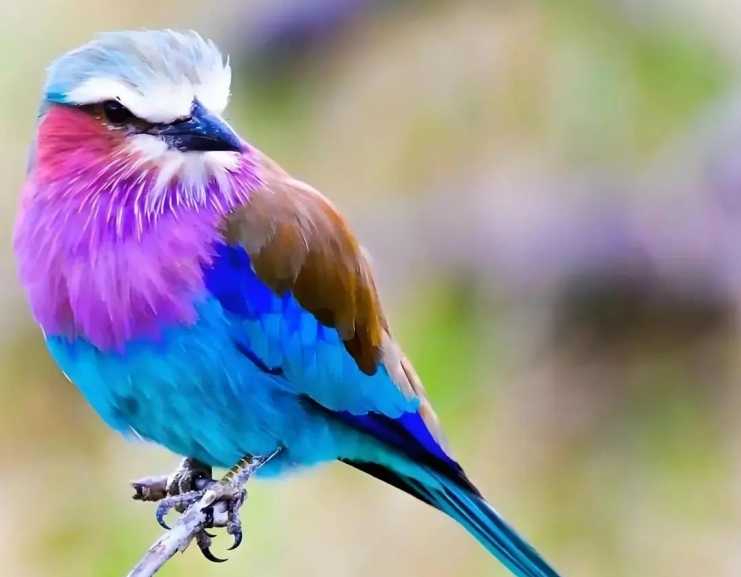
Pelecanus erythrorhynchos: The Magnificent American White Pelican of North America
The American white pelican (Pelecanus erythrorhynchos) is a striking large waterbird native to North America, celebrated for its impressive size and elegant appearance. With its snowy white plumage and commanding presence, this species dominates the freshwater and coastal ecosystems it inhabits, serving as a symbol of aquatic biodiversity across the continent.
2 minute read
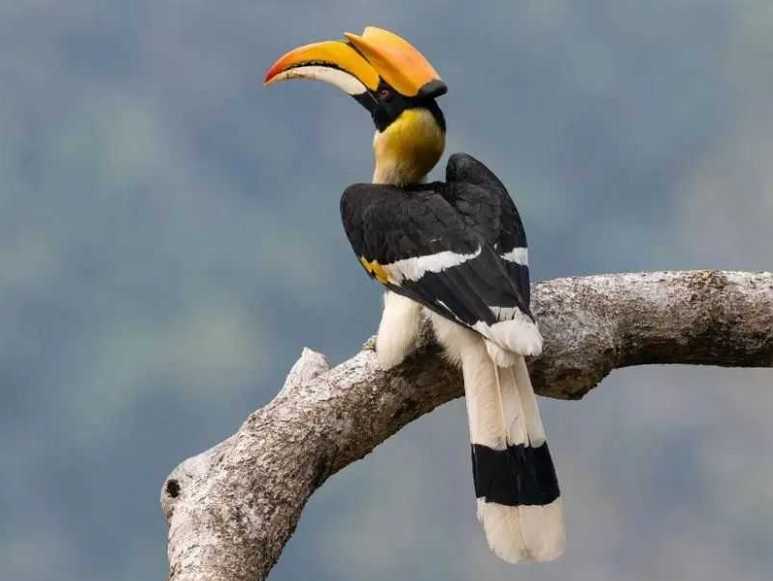
The Greater Bird of Paradise: New Guinea’s Avian Wonder Once Thought a Myth
Endemic to New Guinea, the greater bird of paradise (Paradisaea apoda) belongs to the Paradisaeidae family, feasting on fruits and insects. So extraordinary is its beauty that 19th-century European naturalists doubted its existence, suspecting its vividly plumed specimens were fraudulent "mythical creatures."
1 minute read
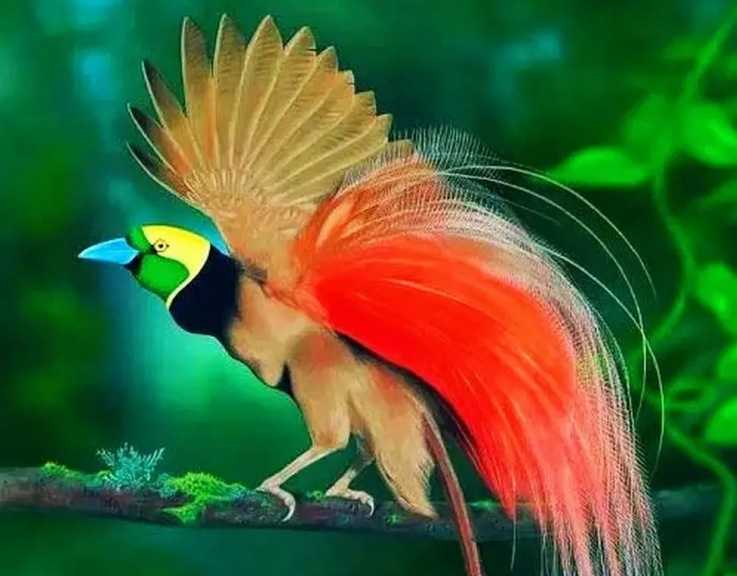
Loxia curvirostra: The Enigmatic Crossbill of Northern Coniferous Forests
Loxia curvirostra, commonly known as the common crossbill, is a small yet captivating songbird renowned for its distinctive bill shape and adaptability to the cold, dense coniferous forests of the Northern Hemisphere. As a key inhabitant of these ecosystems, it plays a vital role in seed dispersal and forest dynamics.
2 minute read
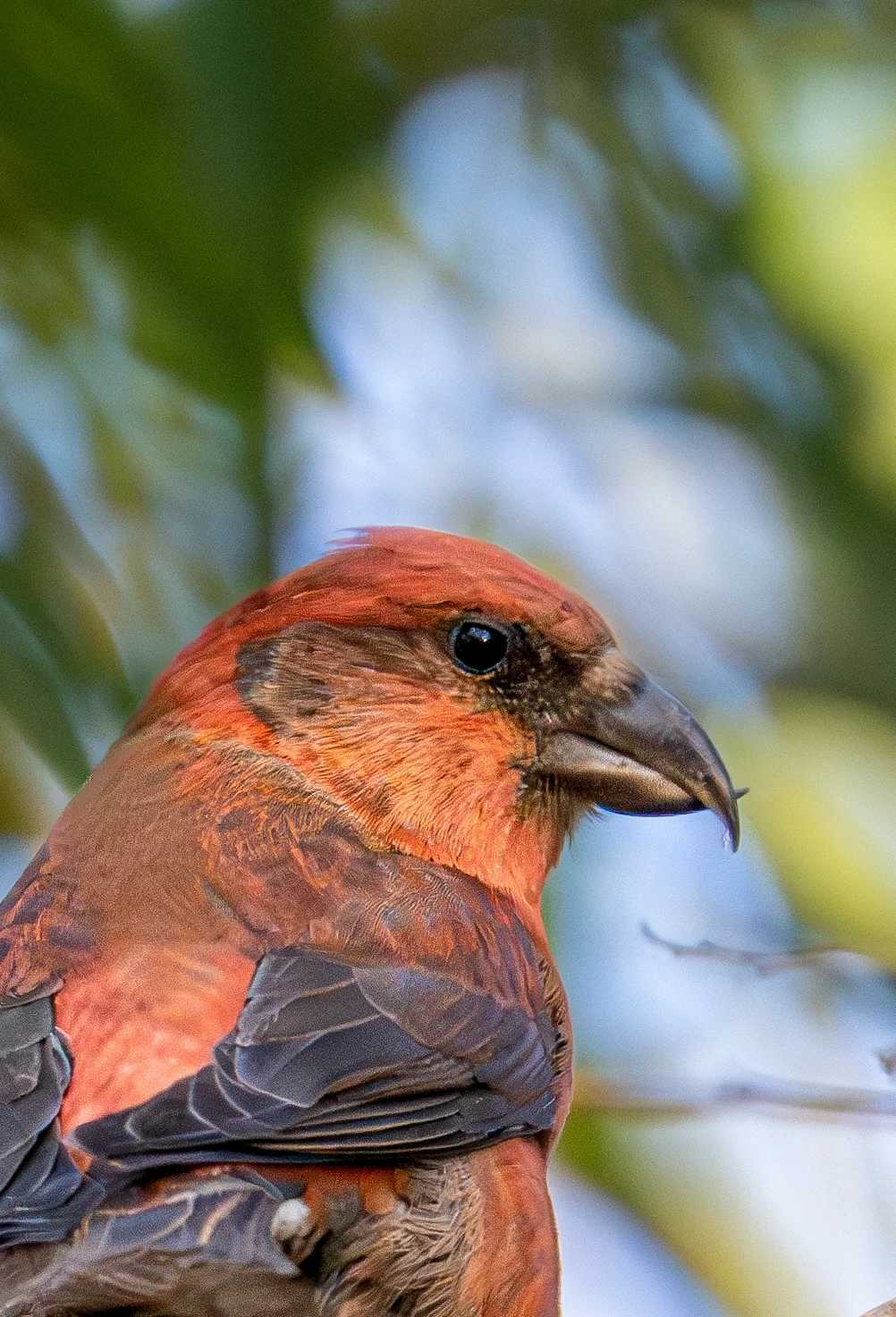
The Keel-billed Toucan: Central America’s Colorful Beak Masterpiece
Scientifically named Ramphastos sulfuratus, the keel-billed toucan belongs to the Ramphastidae family, measuring 42–55 cm in length. Inhabiting lowland rainforests from Mexico to Colombia in Central America, this fruit- and insect-eating bird holds the honor of being Belize’s national bird, captivating all with its striking appearance.
1 minute read
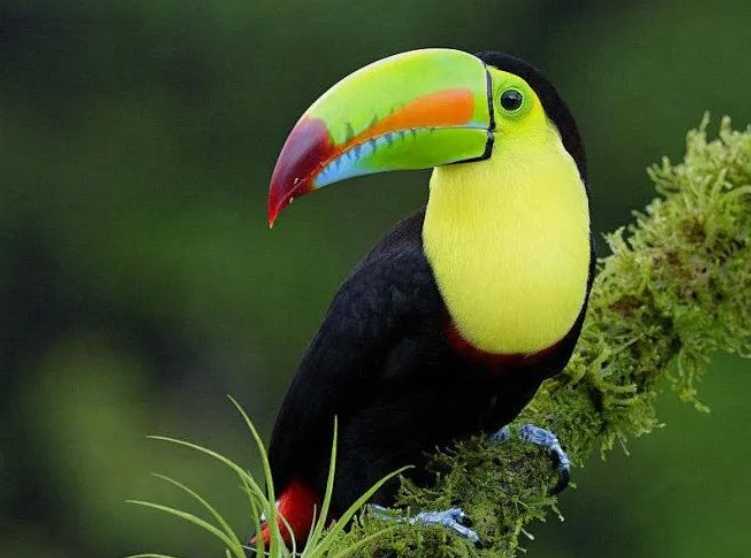
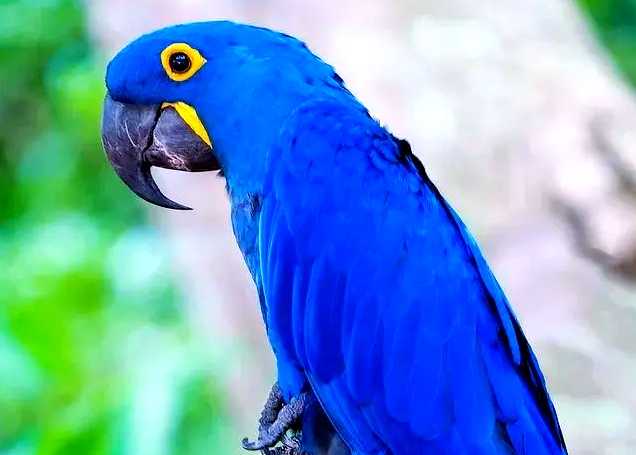
The Hyacinth Macaw: South America’s Azure Giant and Parrot Royalty
Scientifically named Anodorhynchus hyacinthinus, this parrot holds the title of the world’s largest, stretching up to 1 meter in length. Native to South America’s rainforests, it feasts on nuts and seeds, relying on its massive beak to crack open even the hardest Brazil nut shells.
1 minute read
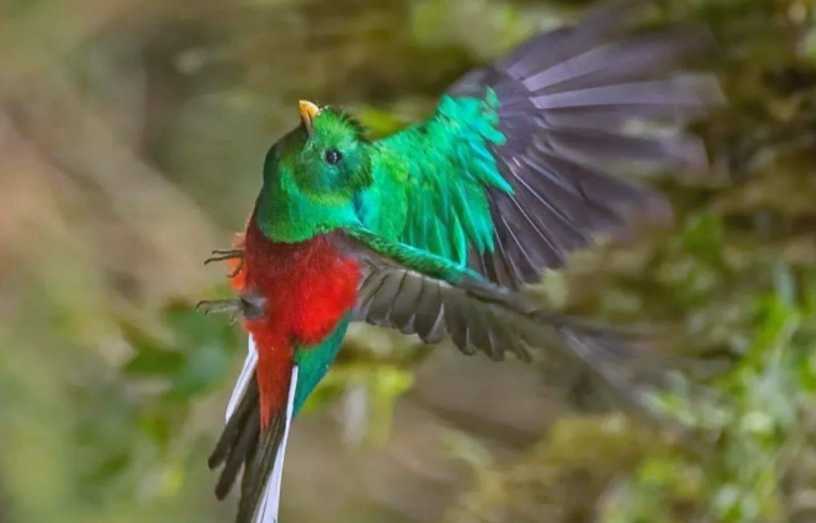
The Resplendent Quetzal: Mesoamerica’s Emerald Avian Deity and Symbol of Freedom
Scientifically named Pharomachrus mocinno, this trogon is endemic to Central American rainforests, measuring 35 cm in length and feasting on insects and fruits. Its cultural significance rivals its biological splendor: in ancient Maya civilization, it was revered as the incarnation of the feathered serpent god Quetzalcoatl, with its emerald plumage reserved exclusively for royalty. Today, it serves as Guatemala’s national bird, embodying freedom and divinity.
1 minute read
Ceyx pictus: The Diminutive African Pygmy Kingfisher of Sub-Saharan Wetlands
Ceyx pictus, the African pygmy kingfisher, is a tiny yet vibrant jewel of the avian world, captivating observers with its striking colors and elusive nature. Endemic to the forested wetlands of Sub-Saharan Africa, this small member of the Alcedinidae family plays a crucial role in the delicate ecosystems it inhabits, despite its unassuming size.
2 minute read