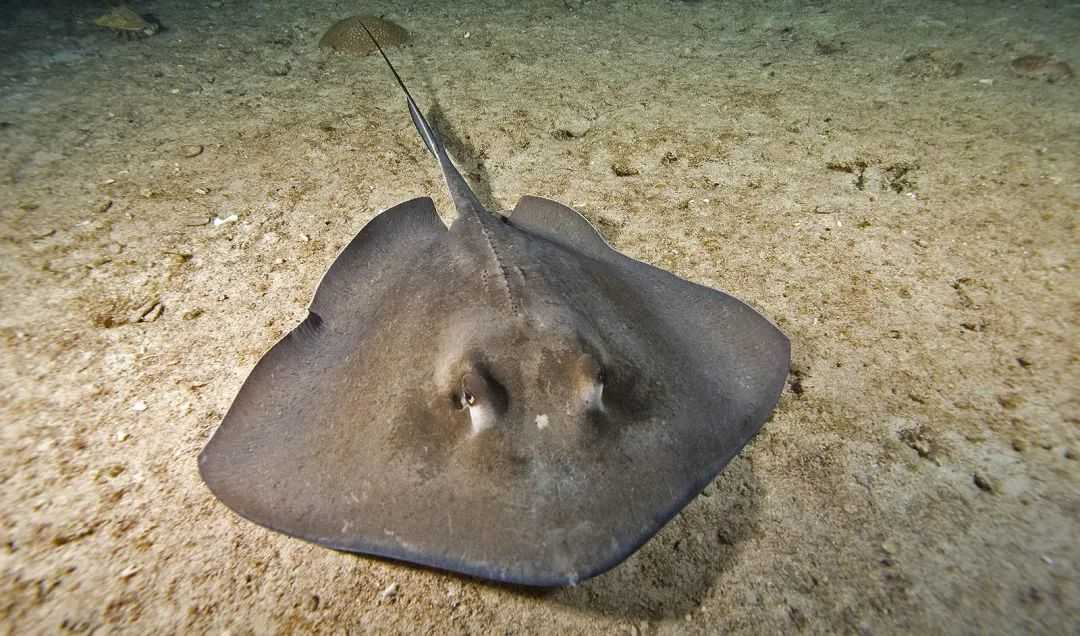
Dasyatis akajei: The Coastal Giant of the Stingray Family
Dasyatis akajei, commonly known as the red stingray or Japanese common stingray, is a prominent species within the Dasyatidae family, widely distributed along the coastal waters of the northwestern Pacific Ocean. As a member of the cartilaginous fish group, this ray is characterized by its flattened disc-shaped body, long tail, and distinctive coloration, making it a familiar sight in shallow marine and estuarine environments from China to Japan and Korea.
1 minute read
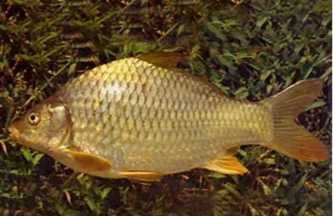
Cyprinus acutidorsaulis: The Endemic "Sea Carp" of South China's Estuaries
Cyprinus acutidorsaulis, commonly known as the sea carp, is a unique and rarely seen species within the Cyprinidae family, endemic to the brackish waters of China’s South Sea. Unlike most carp species, it has adapted to thrive in the transitional zones between freshwater rivers and marine environments, making it a fascinating example of euryhaline adaptation. This fish is exclusively found in the river systems of Hainan Island and the lower reaches of the Qinjiang River in Guangxi, highlighting its restricted but vital ecological niche.
1 minute read
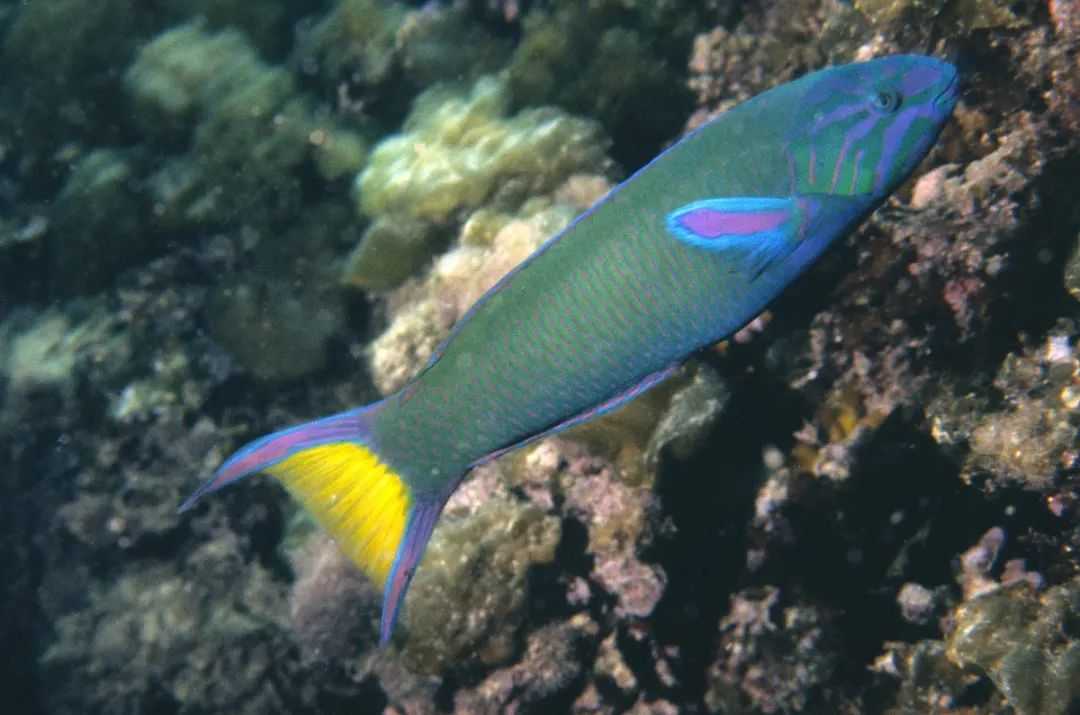
Thalassoma lunare: The Vibrant "Bluehead Wrasse" of Tropical Reefs
Thalassoma lunare, commonly known as the bluehead wrasse, is a dazzling species of marine fish belonging to the Labridae family within the Perciformes order. Native to the warm, clear waters of the Indo-Pacific region, this tropical fish is celebrated for its striking coloration and dynamic presence in coral reef ecosystems, where it thrives as both a vital ecological contributor and a sought-after ornamental fish.
2 minute read
Acanthopagrus schlegelii: The Majestic Black Sea Bream of Coastal Waters
Acanthopagrus schlegelii, commonly known as the black sea bream, is a highly regarded marine fish belonging to the Sparidae family, inhabiting the temperate and subtropical waters of the northwestern Pacific Ocean. Celebrated for its striking appearance and culinary excellence, this species is a cornerstone of both commercial fisheries and recreational angling in regions such as Japan, Korea, and China’s Yellow and East China Seas.
2 minute read
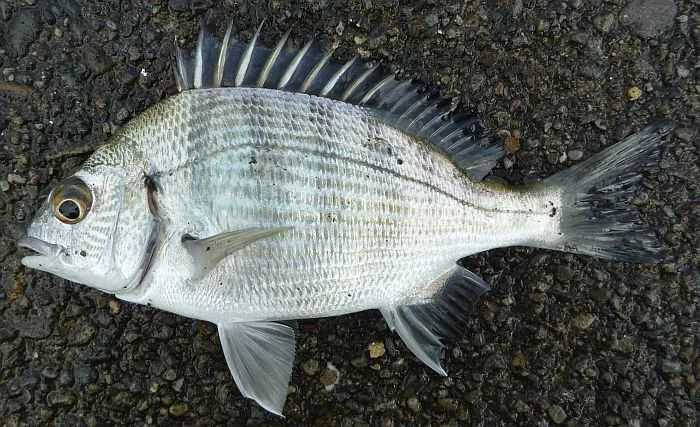
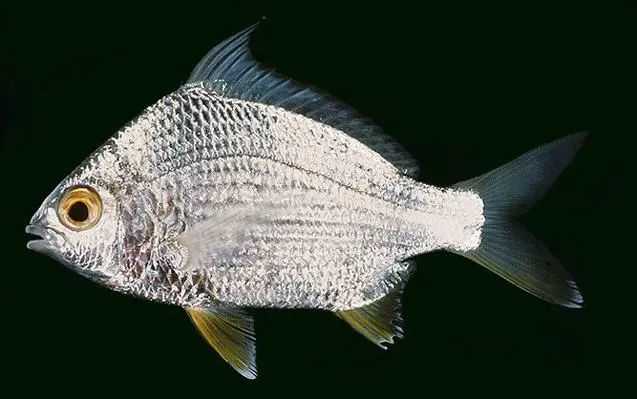
Paerargyrops edita: The Shallow-Water Snapper of the North Pacific
Paerargyrops edita, a distinct species of marine fish, inhabits the western North Pacific Ocean, with significant populations in the South China Sea and the southern East China Sea. Growing to lengths of 130–230 millimeters, this fish is characterized by its streamlined body and preference for sandy-muddy seabeds, making it a notable inhabitant of coastal ecosystems in its range.
1 minute read
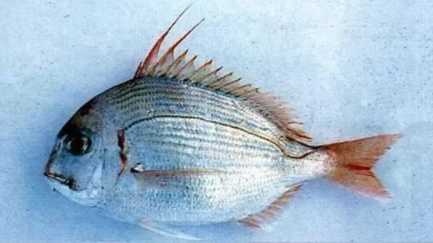
Lutjanus sebae: The Striped Beauty of Indo-Pacific Reefs
Lutjanus sebae, commonly known as the three-banded snapper, is a striking species within the Lutjanidae family, celebrated for its distinct appearance and adaptability to diverse marine environments. Characterized by a deep, oval-shaped body with a slightly compressed profile, this fish is named for the three broad, dark reddish-brown bands that diagonally cross its sides—markings that are most vivid in juveniles and fade slightly as the fish matures.
1 minute read
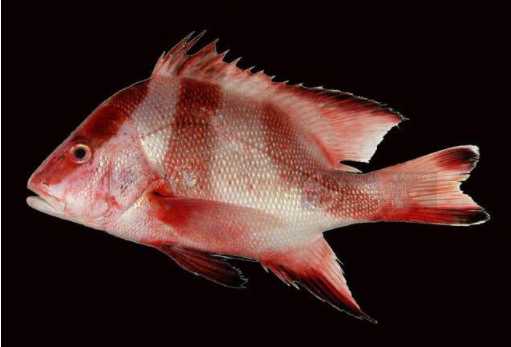
Lutjanus stellatus: The Star-Spotted Snapper of Coral Reefs
Lutjanus stellatus, known as the white star snapper in Taiwan and by regional nicknames in Hong Kong, is a captivating species of marine fish belonging to the Lutjanidae family. Renowned for its distinctive markings and ecological significance, this snapper is characterized by a robust, oval-shaped body adorned with small, pale spots against a reddish-brown to golden-yellow backdrop, giving rise to common names inspired by its appearance. It inhabits the warm, clear waters of the Indo-Pacific region, where it thrives as both a predator and a prized catch for local fisheries.
1 minute read
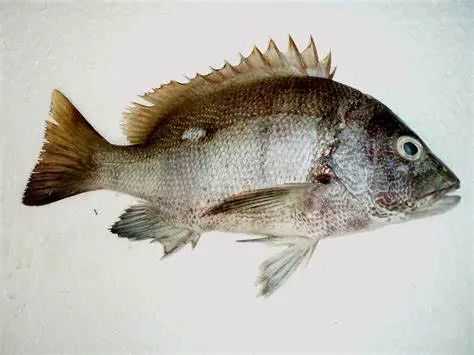
Apogon quadrilineatus: The Four-Lined Cardinalfish of Coral Reefs
Apogon quadrilineatus, commonly known as the four-lined cardinalfish, is a small, vibrant species belonging to the Apogonidae family, thriving in the warm, tropical waters of the Indo-Pacific region. Renowned for its striking pattern and nocturnal habits, this fish is characterized by a sleek, elongated body with a deep red to orange hue, adorned with four distinct horizontal black lines that run the length of its flanks, creating a bold contrast against its vivid coloration.
1 minute read
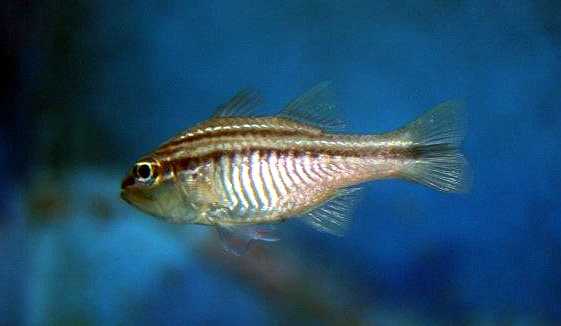
Hapalogenys nitens: The Striped Beard Croaker of Coastal Seas
Hapalogenys nitens, commonly known as the striped beard croaker, is a distinctive marine fish belonging to the Haemulidae family. Native to the temperate and subtropical waters of the northwestern Pacific Ocean, this species is celebrated for its unique appearance and ecological significance. Characterized by its robust, laterally compressed body and striking longitudinal stripes, it stands out as a notable inhabitant of coastal ecosystems.
2 minute read
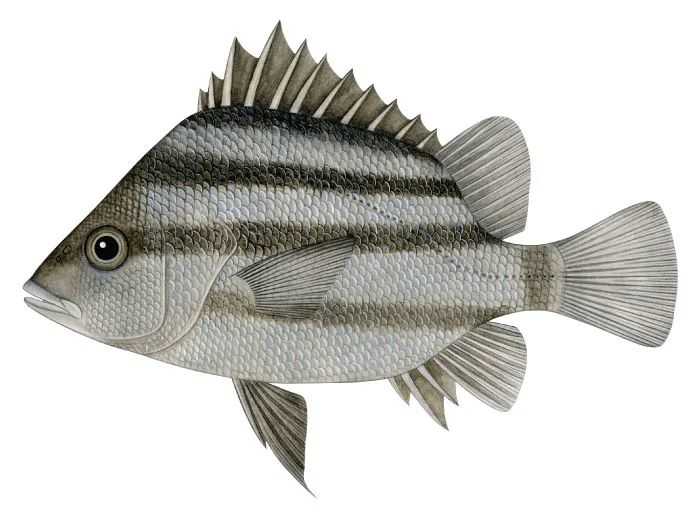
Hapalogenys mucronatus: The Oblique-Banded Beard Croaker of Asian Coastal Waters
Hapalogenys mucronatus, commonly known as the oblique-banded beard croaker, is a distinctive marine fish belonging to the Haemulidae family. Inhabiting the temperate and subtropical waters of the northwestern Pacific Ocean, this species is celebrated for its unique appearance and cultural significance in regional fisheries. Characterized by its robust body and striking diagonal stripes, it stands out as a notable inhabitant of coastal ecosystems.
1 minute read
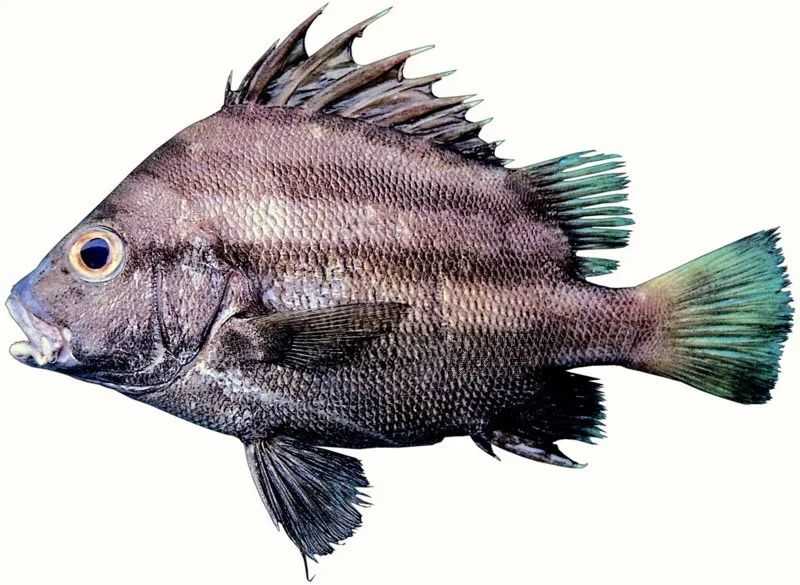
Hapalogenys analis: The Transverse-Banded Beard Croaker of Marine Ecosystems
Hapalogenys analis, a captivating species within the Haemulidae family, stands out as a remarkable inhabitant of the northwestern Pacific Ocean’s coastal waters. This fish, renowned for its distinctive appearance and ecological role, showcases a robust body adorned with striking horizontal bands, making it both a visually striking presence and a vital component of marine food webs.
1 minute read
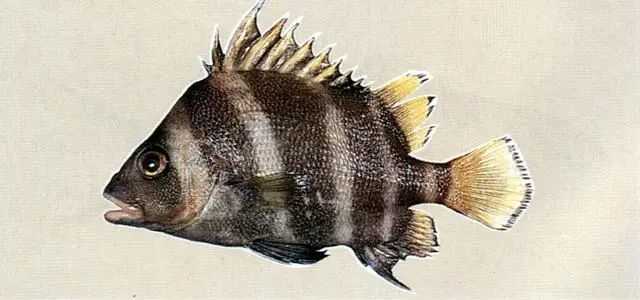
Gerres abbreviatus: The Compact Mojarra of Tropical Shores
Gerres abbreviatus, commonly known as the compact mojarra or short jewelfish, is a distinctive species within the Gerreidae family, thriving in the warm, shallow waters of the Indo-Pacific region. Recognized by its unique body shape and vibrant coloration, this fish is a notable inhabitant of coastal ecosystems, playing a vital role in the intricate food webs of tropical and subtropical seas.
2 minute read
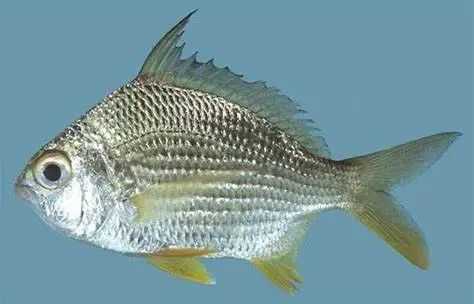
Gerres filamentosus: The Longspine Mojarra of Coastal Waters
Gerres filamentosus, commonly known as the longspine mojarra or threadfin jewelfish, is an elegant species within the Gerreidae family, inhabiting the warm, shallow waters of the Indo-Pacific region. Named for its elongated dorsal fin spines and trailing filamentous rays, this fish is characterized by a sleek, laterally compressed body with a silvery-white hue, making it a striking presence in coastal ecosystems.
2 minute read
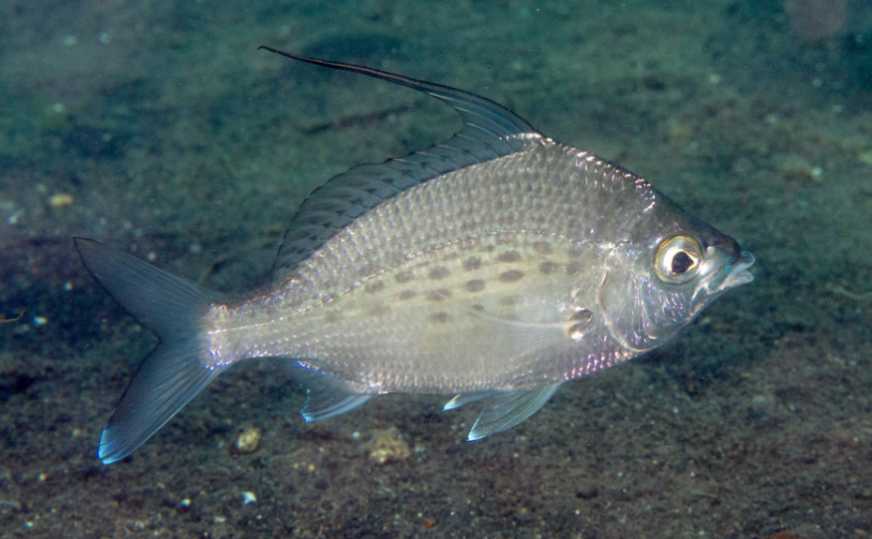
Gerres longirostris: The Long-Snouted Mojarra of Tropical Shores
Gerres longirostris, commonly known as the long-snouted mojarra or longnose jewelfish, is a distinctive species within the Gerreidae family, belonging to the order Perciformes. Inhabiting the warm, shallow waters of the Indo-Pacific region, this fish is characterized by its elongated snout and streamlined body, making it a unique and ecologically significant inhabitant of coastal and estuarine ecosystems.
2 minute read
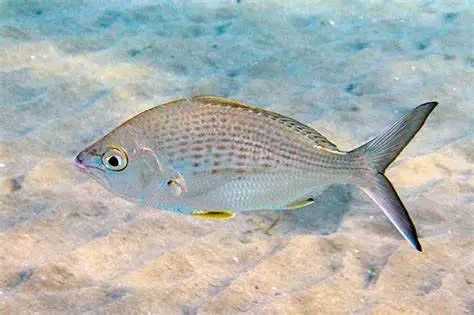
Parargyrops microstoma: The Small-Mouthed Mojarra of Shallow Seas
Parargyrops microstoma, a lesser-known yet ecologically significant species within the Gerreidae family, inhabits the warm coastal waters of the Indo-Pacific region. Named for its diminutive mouth, this fish is characterized by a sleek, laterally compressed body with a silvery-white hue, making it a subtle but vital component of shallow marine and estuarine ecosystems.
2 minute read